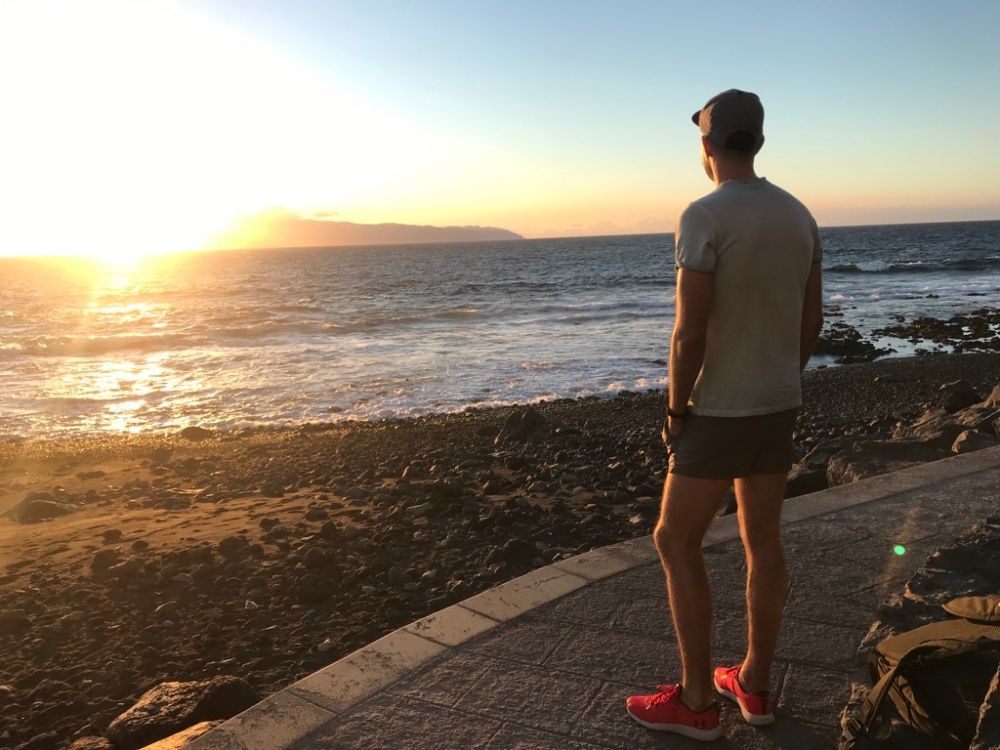
Welcome to my guide on the best places to visit in Tenerife. We visited Tenerife Island during Christmas 2021 making another big dream reality.
Growing up in continental Europe, where wet, cold, and snowy winters with limited daylight are the norm, escaping for winter sun felt as luxury only few could afford. Happy, I discovered its not true and almost everyone can experience this unforgettable event.
Adding the stress in the streets that Christmas brings, whether you like it or not, escaping to a sun destination, was on our list for a longer period.
Meanwhile, we have done it every year, but I am super happy Tenerife was our first winter sun destination.
Regardless of where you live in Europe, Tenerife can be reached by direct flight below 4 and a half hours. Its convenient availability, and the fact that it belongs to Europe, even though it is geographically much closer to Africa than to Spain, make it an ideal winter getaway.
In recent years, there have been crowds mainly from the UK, Germany, and the Netherlands coming to the famous, and over populated seaside destinations such as Costa Adeje or Los Cristianos. Luckily, there are enough super remote, and secluded places where you will enjoy peaceful times.
Let me show you the best places to visit in Tenerife when in search for peace, local and authentic experience.
Tenerife Quick Facts?
Tenerife is the biggest, and most crowded among the Canary Islands. Therefore, planning where to stay might be crucial.
Almost half of the entire archipelago lives here. Namely, almost 1 million inhabitants.
Approximately 5 million tourists visit Tenerife annually, making it Spain’s most visited and most important island.
The island is of volcanic origin and, the volcano is visible from most parts of the island today.
Tenerife has a different climate in the northern part of the island compared to the southern part.
The north and south of Tenerife have different climatic characteristics because of the rain shadow effect. The windward northwestern side of the island receives 73 percent of all precipitation on the island.
Also, the coastal areas have an average temperature between 20-25ºC, whereas inland areas, can experience lows at 13 ºC and occasional snow in the winter.
The capital is Santa Cruz de Tenerife and it is in the northern part of the island, meaning colder and rainier winters.
Apart from being the capital of Tenerife, there are multiple museums, one airport, and a port. It has the vibe of the big city, unlike Arrecife in Lanzarote.
The center of the island is characterized by forests because of the much higher precipitation, with some mountain peaks reaching over 3000 meters above sea level. Compared with Lanzarote or Fuerteventura, where there are no forests, this could be a change.
Especially if you love hiking, you might appreciate the variety of landscapes.
Apart from forests, you’ll see the lava mountains, together with breathtaking sea views.
Who is Tenerife not For?
Tenerife did surprise me in many ways. I loved it, but I know that many people, especially those who like authentic stay don’t like it. Hence, you will not like Tenerife if:
- You can’t stand too much of a build up area and prefer nature. Especially compare to Fuerteventura, Tenerife feels very urban. We came there as first Canary Island and from Netherlands, so we weren’t bothered by it so much back then.
- You don’t like hills. There are everywhere. In the cities, at the coast and of course in the national park, so in the main part of the island.
- You don’t like weather changes. Even if you are staying on the southern part of the island, the weather can change from sunny to misty, or windy and back to the sun in matter of minutes and stay like this for hours. I guess it’s because of the higher altitude majority of the places have here.
- You want to visit a hole island in your a week or a month stay. Tenerife is the biggest Canary island, and you need much longer time if for would want to discover the whole island.
- You want to enjoy big sandy beaches. Even though there are some sandy beaches, those aren’t many and not of a big size for an undisturbed day under the sun. As the biggest ones are best for water sports due to the wind. (Medano area) or aren’t good fit for winter (Playa de Las Teresitas). If sandy beaches are what you like then go to Fuerteventura or Lanzarote instead.
With that in mind, I wrote my article on finding the best places to visit in Tenerife with intention of showing you the quiet, and nature abundant place even in urban and mass touristy Tenerife.
Read it below.
How to Get to Tenerife?
Airplane
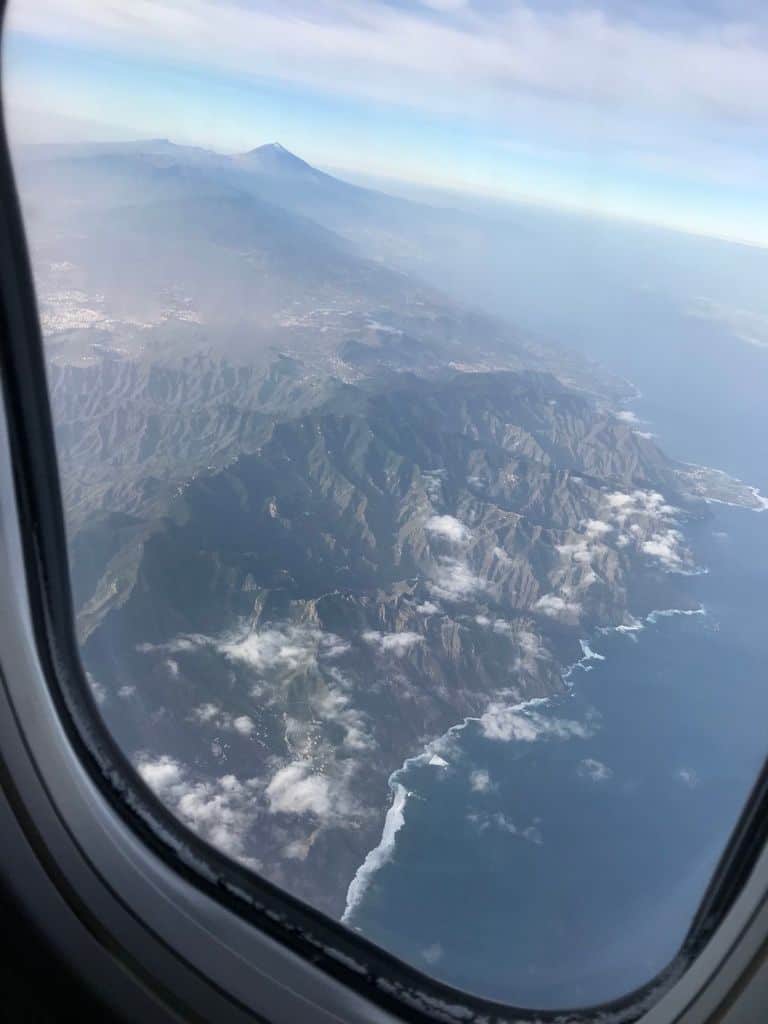
This is the most common, and the easiest way of transportation to the island. Good thing to know is that there are two airports in Tenerife: Tenerife North Airport and Tenerife South Airport.
North is a smaller one, and convenient if you want to fly to another Canary Island.
We did that in 2021 and a one-way ticket to Lanzarote cost us 25€ per person. We purchased the tickets via Canaryfly.
Tenerife South is the busy airport, ranked 7th busiest! airport in the entire Spain and you will probably land there.
If you are coming in winter, it saves you the longer bus travel from north to south.
Ferry
Similar to the airports, there are two ports located in the north, namely The Port of Santa Cruz de Tenerife, and in the south, The Port of Los Cristianos.
The former connects the island with mainland Spain, with a ferry connection to Cadiz. The latter connects mostly Tenerife with the other Canaries.
How to get around in Tenerife?
Cruising around Tenerife is as straightforward as basking in its famous sunshine.
Public transport on the island is reliable and well-connected, especially the TITSA buses that can take you to every nook without the stress of navigation. The tickets are also very affordable. Plus, if you plan to stay more days, you may purchase a contactless card for 2€ and pay as you go, which will be in the end cheaper like buying single tickets.
Insider Tip: I have to say, that using buses in Tenerife is super convenient. Buses are reliable, new, and affordable. This makes it a very nice alternative to renting a car. Especially if you stay in a mountainous region as we did in Los Gigantes, you might prefer the bus, as the roads can get pretty steep and not everyone enjoys driving in such curvy roads. But if you relish the freedom of setting your own pace, renting a car is the way to go. The roads here are pretty driver-friendly, and you’ll uncover spots that are often off the tourist radar.
When is the Best Time to Visit Tenerife?
As for all of the canaries, also for Tenerife is true that their inviting climate makes for an attractive getaway almost any time of the year. The island sees mild winters and wonderfully warm summers, meaning there’s often the perfect weather just around the corner.
I went in the winter and it is a gem of a time to drop by. Tenerife stays mild in the winter months between December to March, offering those blue skies. Plus, you won’t have to elbow your way through hordes of visitors. Count on temperature above 20 ºC.
If you’re a peace seeker, visiting during the shoulder seasons, so spring and autumn, is also a great season. The weather is still delightful, without the swarms of summer.
During the summer months from June to August, expect the beaches and key attractions to be bustling with tourists. So, in the summer you might prefer to head to Greece or France.
By timing your visit wisely, you can soak in Tenerife’s vibrant culture and breathtaking landscapes at a relaxed pace. Plan well, and the island’s beauty is yours to explore without the usual hustle.
What to do in Tenerife?
Firstly, when it comes to activities on the island, hiking is the number one that pops up in my mind. Mount Guajara, Chinyero Volcano, and Callejon de Teno are all among the 10 best hikes in Tenerife, located in the southern part of the island and relatively easily doable.
Unforgettable views and unique landscapes are guaranteed.
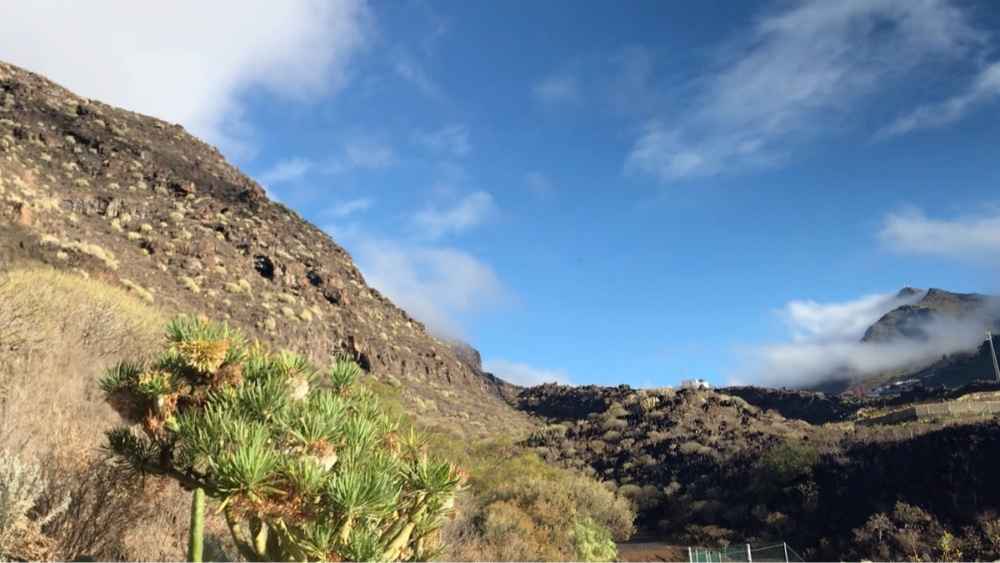
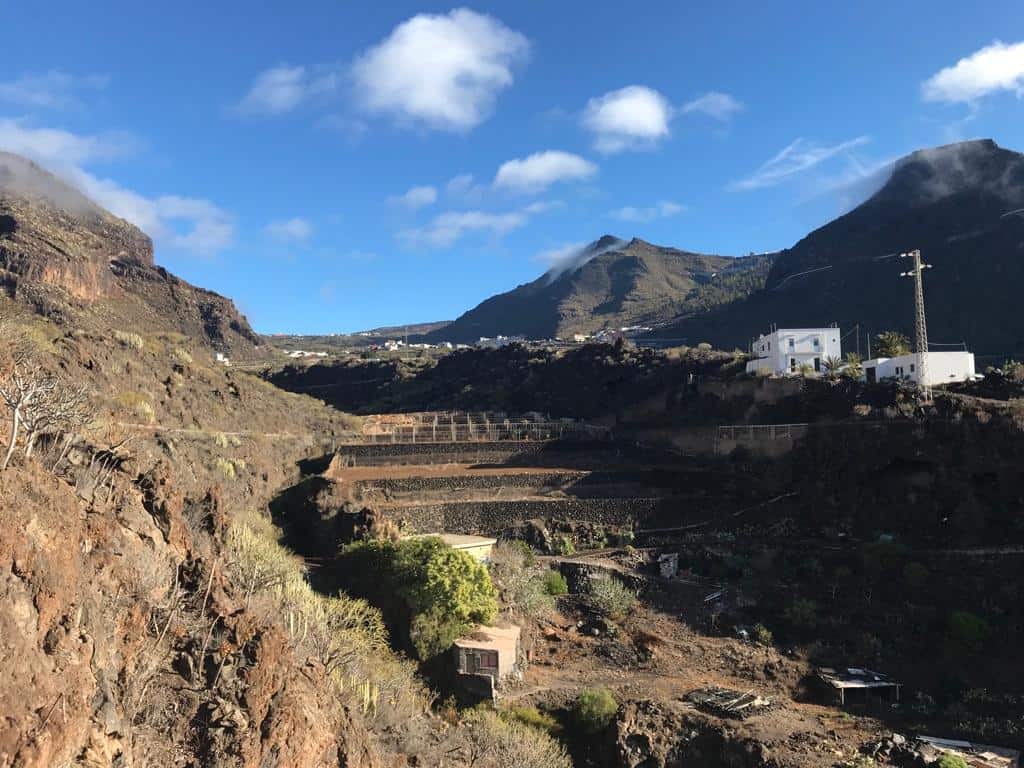
Insider tip: The thing with hiking in Tenerife is, that wherever you are, there is an interesting hike trial. Try the alltrails.com for the best trials in your neighbourhood.
Next to hiking, snorkelling is another must on the list. Unlike Fuerteventura, where snorkelling is not something I would highly reckoned, Tenerife has beautiful spots where discovering beautiful fishes is easier than seeing drunken Brit.
See, my beaches section for the best beaches for snorkeling.
Cycling is another activity you might enjoy, but bear in mind the steep roads.
After being tired from all that sport, hike and bike, it’s time to chill. In Tenerife, as everywhere on Canaries, you are here for a treat.
Activities like trying local food, wine tasting, or beach chill should be on your programme as well. The rule of thumb is that the villages on northwest side are more traditional. La Orotava, Garachico, and Buenavista del Norte are popular among those searching for local authenticity, and not the hustle and bustle of big cities.
Best places to visit in Tenerife?
Wow, this is so hard to answer. Due to its size, but also variety, and uniqueness, there is an endless list of places you can see while in Tenerife.
I try to cover some, which can be characterized as highlights, yet those places are not overcrowded.
A standout is Teide National Park, home to Spain’s highest peak, Mount Teide (more than 3000 meters high, and it can be reached by cable car.
The park’s unique landscapes, shaped by ancient volcanic activity, are perfect for adventurers of all kinds. Whether you’re hiking through its trails or taking the cable car for breathtaking views, this spot is a must-see. While it is similar park to Timanfaya in Lanzarote, in Teide, you can experience weather shifts characteristic for Tenerife. One time it can be a blue sky, which in only matter of minutes changes to almost zero visibility mist. In fact, even snow is regularly present in the higher altitudes. Not only in the winter.
Another gem is the charming village of Masca, nestled in the Teno Mountains. Known for its dramatic scenery, Masca offers hiking trails with incredible views of ravines leading down to the ocean. It’s the kind of place where you can feel the true spirit of Tenerife away from the crowds.
On the cultural side, both Santa Cruz and La Laguna offer vibrant city vibes with a reminder of Tenerife’s rich history.
Santa Cruz, the island’s capital, is a hot spot for urban explorers, with its art museums and bustling plazas, while La Laguna, a UNESCO World Heritage Site, invites you to wander its beautifully preserved colonial streets.
Other cities worth visiting are earlier mentioned La Orotava with its breathtaking architecture and Garachico located near the sea.
For those searching for less-touristed locales, Tenerife’s got plenty of hidden gems. Explore places like:
- The serene rural landscape of Anaga Rural Park.
- Tenerife Stargazing Tours if you are up for something new.
- Montana Negra for hikes and views.
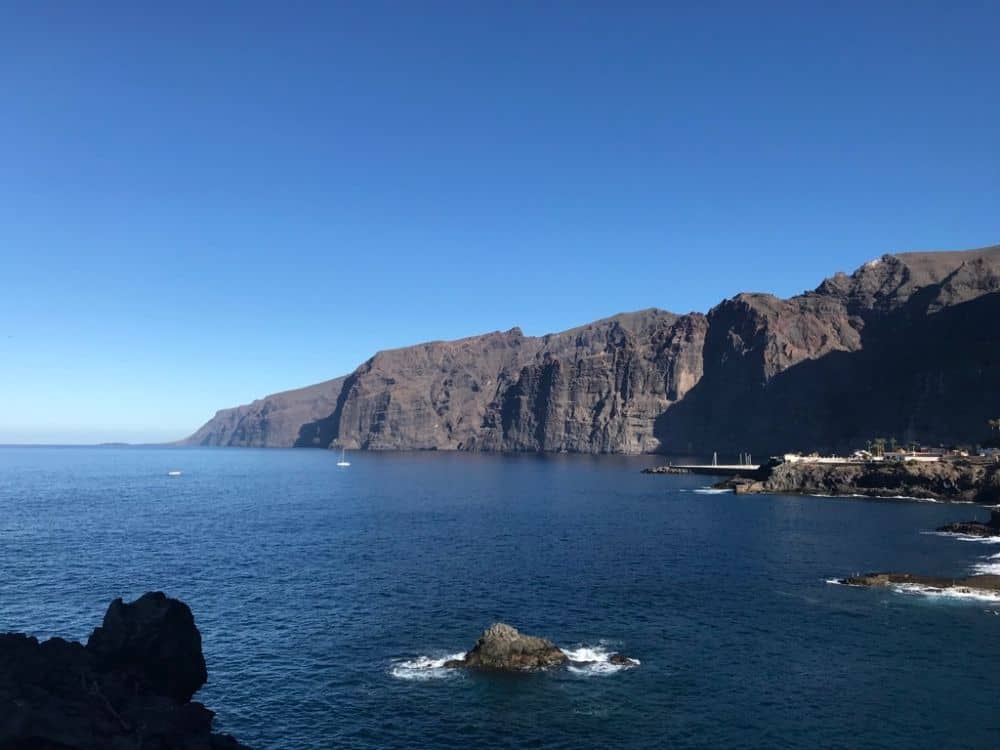
- Los Gigantes (place we stayed, and it has a mix of all Tenerife is known for) the seaside with dramatic cliffs, a cute little port, and great hiking.
- Miradors all around the whole island
All these spots offer the solitude and authenticity that make exploring off the beaten path so rewarding.
Where to Stay in Tenerife?
Choosing where to lay your head in Tenerife can greatly influence the vibes of your trip.
First to consider is the weather.
If you are escaping Europe’s mainland winter, and you find yourself in Tenerife from November to February, you want to stay in the Southwestern part of the island.
So, forget the famous Playa de Las Teresitas if you want to enjoy it in with blue sky and warm weather.
With that said, southwest has also some super busy locations, which are for mass tourism, so not my cup of tea.
With that said, the the second consideration is the crowd.
If you search for peace, then aim for accommodations that keep you in a tranquil pocket of the island, away from the tourist-heavy zones.
Areas around Garachico on the northwest, or the cost side around cities like Alcala and San Juan in the southwest part of the island offer charming stays with local flair.
The town of La Orotava should be also away from the crowds, however here I would be concerned about the weather, as it is more on the northern side already.
Lastly, I have to mention my number one recommendation:
Los Gigantes.

This is the place we stayed, and although a bit further from the airport, it was a great choice.
Picture above is from the balcony of Airbnb we stayed. Natalia was the owner. She came to pick us up the bus stop. Area was very quiet, and at great price, around 350 € for 6 days, a week before Christmas.
Surrounded by dramatic cliffs, we were a stone’s throw from great hiking trails into the mountains of Santiago del Teide or along the sea to San Juan.
We used the proximity of the sea, for a refreshing kayak tour.
Also, there are 3 beaches in the direct area, which could easily serve you for a short week of stay. While not big, those beaches offered enough space for sunbathing for a day. Due to its size, I probably wouldn’t return to any of them for multiple days. (Exept of the last one for the views and setting)
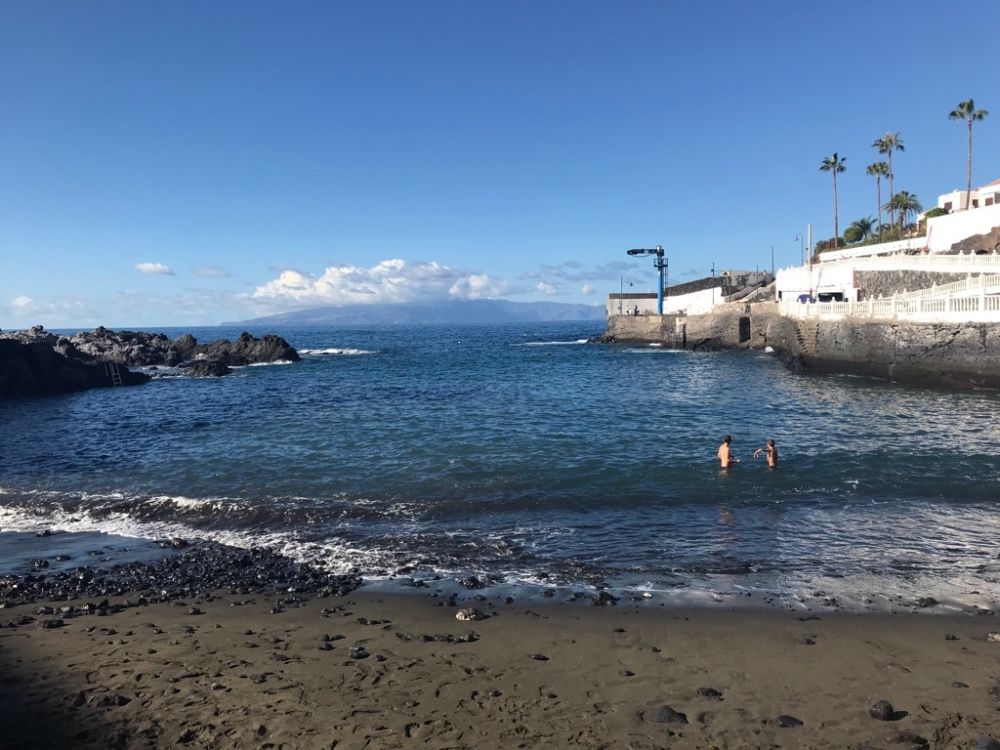
The beaches were Playa de la Arena (black, volcanic sand), Los Gigantes beach(a bit hidden and located past the port), and the beach in Puerto de Santiago (a snorkelling gem with beautiful setting down below enormous vliff with local houses above you ).
Below are the pictures of that beach from day and during sunset. Really peaceful and nice local place. You can see on the left side the stairs Into the sea. Great access for unforgettable snorkelling.
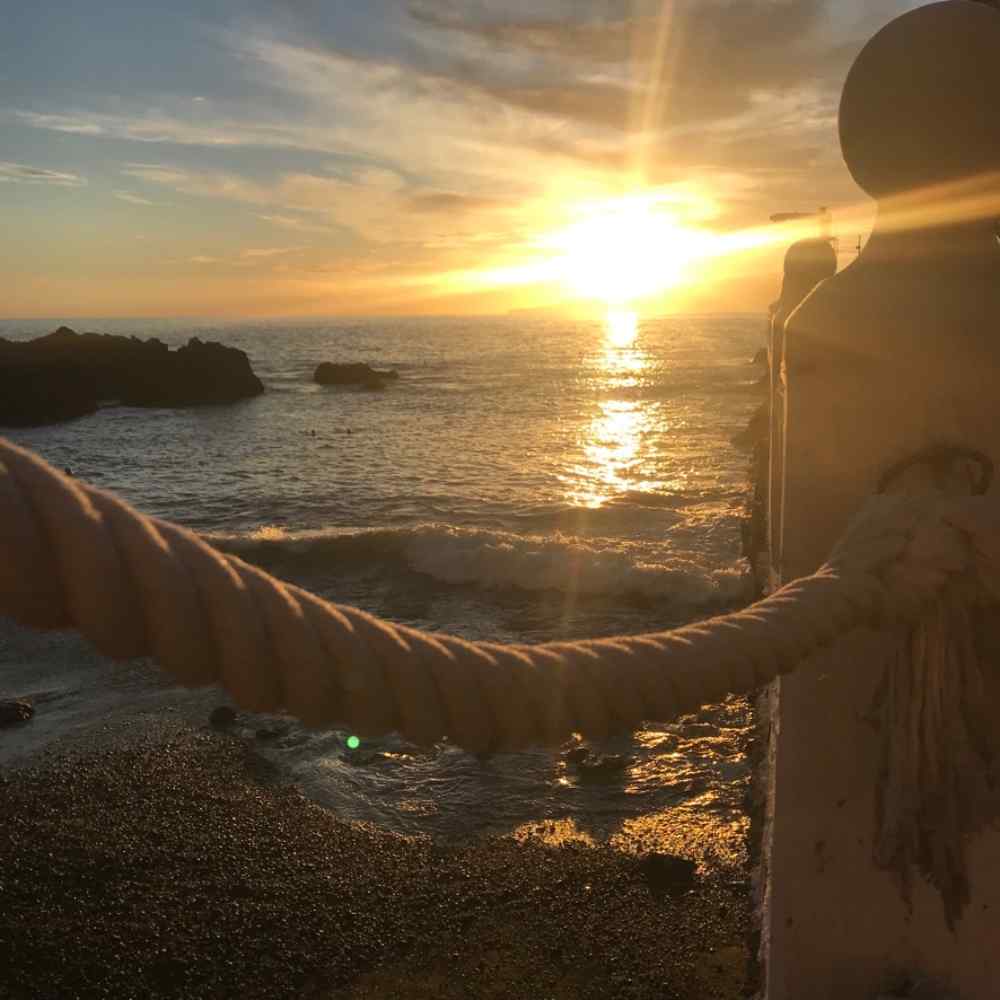
What we loved especially was the sunset walk along the sea from Puerto de Santiago to our apartment. This tiny, cute fishing village offers a look at traditional living. We loved it.
Even though the Los Gigantes might look to be in no one’s land, there are grocery shops, restaurants, and bus stops. From this bus stop, we even took a direct bus to the Tenerife North Airport on our departure to Lanzarote.
If we were to come once again to Tenerife, I think we’d stay again in Los Gigantes.
The place had everything we needed for a local and quiet getaway.
Its totally opposite to the commercial and big hotels setting of Los Cristianos or Playa de las Americas.
Where to Eat as a Vegetarian in Tenerife? Discovering local dishes worth trying out
As for what to eat in Tenerife, it is more or less the same as for the rest of the Canaries:
Don’t miss out on trying dishes with famous “Papas Arrugadas” (wrinkled potatoes)
Sancocho Canario is a type of fish that usually means stew or thick soup, particularly in Latin America. But in Canary, the dish is presented without much gravy. To make this dish, preserved and salted fish is used.
Another typical food worth trying is Gofio, which is a type of flour made with toasted grains, most commonly from millio (sweet corn). We had it as a side dish paste, and it’s delicious. Different types of goat cheeses are also typical food in Tenerife.
How could I not mention tapas with wine? Try hot chopitos, which are battered, fried baby squid; or patatas bravas, spicy potatoes, or cold such as olives, cheeses, or sardines fishes.
For a dessert, try bienmesabe. This is a traditional dessert, made with almonds, sponge cake, egg, sugar, and lemon. It is one of the many typical desserts of the island.
As for where to eat as vegetarian or pescatarian in Tenerife, I have eaten in below mentioned restaurants and would recommend:
- Am Eck- which means at the corner, is located close to Playa de la Arena ( I lived 26 years combined in Slovakia and Austria and the owners are exactly from those two countries, so I had to try it. Don’t worry I am not that biased, as my girlfriend ate with me), the food was delicious and offers also vegetarian specialties from those two countries, dishes dishes I recommend particularly: halusky, spaetzle (homemade pasta) with cheese and spinach)
- Brisa Marina Taberna San Juan– great and affordable pizza, seafood, and pasta. Located on an avenida overlooking the ocean.
Restaurants I was not eating but was recommended: - Fishermen’s Inn in Puerto de Santiago-for fish
- Michelle Restaurant in Adeje-for fish
- Arcon Tapas in Puerto de la Cruz close to La Orotava
- La Tajea is a farm in Fañabe that makes all their dishes using the veg from their land and pizzas in their stone-baked oven.
What Are the best beaches on Tenerife?
As for the beaches, the truth is that the majority are the black lava sand beaches. Even though you can still find some white sandy beaches. If amazing sandy beaches is what you search in for while on Canaries, go to Fuerteventura or Lanzarote.
Due to the island’s size, it would be hard to cover all beaches, I will try my best to give you an overview.
The most beautiful beaches are in the southeastern part of the island. With that in mind:
- Playa de Las Teresitas is the one that you see in most Tenerife pictures. Undoubtedly a beautiful beach, but in the winter months, it isn’t recommended due to colder and rainier weather. Anyway, this beach, lined with palm trees and gentle waves, offers perfect postcard views.
- Playa del Duque upscale vibe and top-notch facilities. This is also a sandy beach with an exotic vibe.
- Playa de San Juan with lava sand has the charm of the old village.
- Playa de Santiago in Puerto de Santiago is a gem for snorkeling. As for the beach, I wouldn’t spend a whole beach day, you are better off with close-by Playa de la Arena, but if you are in the area and love snorkeling, this is a must. Especially the place between the rocks.
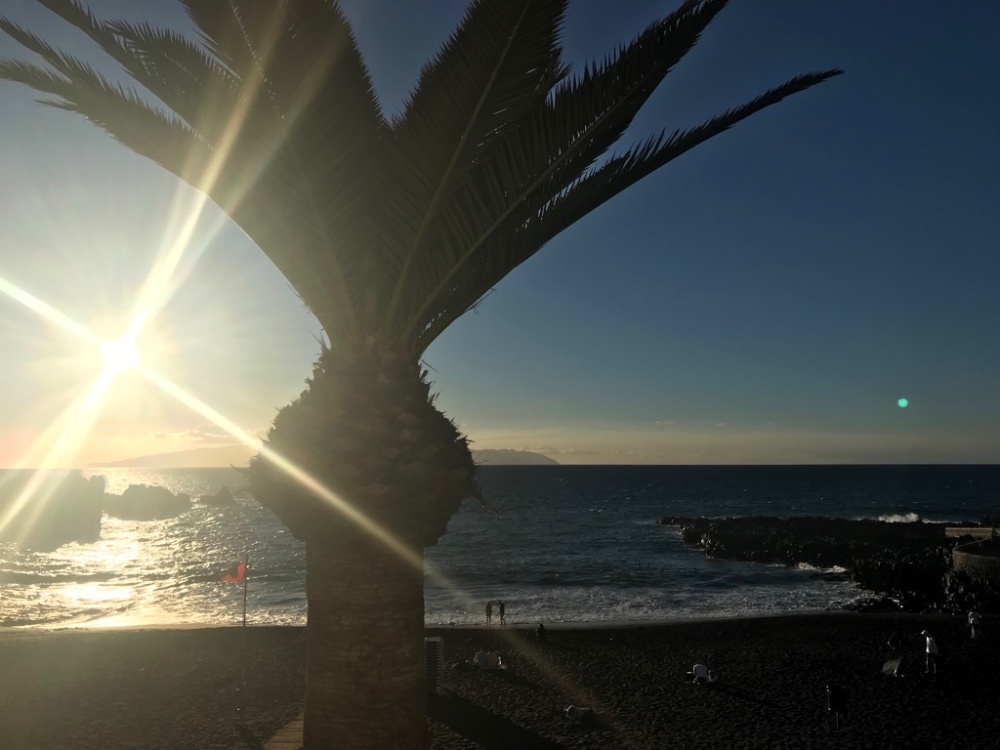
See below the picture of de la Arena during windy day, (red flag) with the view of La Gomera Island on the horizon.
- Playa de los Morteros, very tiny strecth of sand, surrounded by little hills, and with some caves, this beach is ideal if you love secluded places.
- Playa de Ajabo is another lava sand beach.
- Playa del Medano-wide, surfers hub in the south of Tenerife, located 10 km from Tenerife South Airport.
- Playa de la Tejita is another famous Tenerife beach located on the other side of the Medano village. It is defined by the big mountain and it is a wide beach, by the standards of Tenerife.
Things I wish I Knew before coming to Tenerife?
- 7% food tax is often not mentioned on the bills, so be aware of this and check it double with the waiter, to be sure you understand the final price.
- The landscape of the island is mix of lava, forest, and sand which offers nice diversity for hiking and exploring the island. I wasn’t aware of the lava before, and thought only Lanzarote and Fuerteventura are of lava origin.
- The island is very mountainous, so be prepared to have small or bigger hills even in the cities. If you don’t like uphill hikes, rent a car.
- Mineral-rich soil is famous for red wine
- Tenerife has one of the best public transport bus systems, where even the most remote mountainous regions can be easily reached by bus
- Tenerife has divided climate. Southwest of the island is warm all year around, similar to other Canaries. while northwest and northeast can experience temperature drops and have many rainy days in the winter period. Also, the temperature here is much lower. Therefore, now I wouldn’t recommend this part of the island as winter sun destination.
- Wind is present not only after sunset, so be prepared to search for sheltered beaches
- There are chilled evenings if you come in winter (December-March), so always bringing a light jacket is a must. I got pretty surprised how big the temperature drop was. During the say, we experienced pleasant 20°C or more, while after the sunset, the temperature would drop to as low as 8-10℃.
Related:
Where to Eat in Lanzarote as Vegetarian
Top Things to do in Lanzarote