After visiting all four main Canary Islands, some of them several times, I can give you a direct answer for the best Canary Island to visit in 2026. It’s something other than a list of “it depends.”
If this is your first Canary Islands trip and you have one to two weeks, go to Lanzarote. If you’re planning a month or longer and want to embed in a community of people doing the same thing, go to Fuerteventura.
If you want the most variety packed into one island and don’t mind looking harder for the good parts, go to Gran Canaria or Tenerife, but only if you choose your base carefully.
The comparison below is based on nine combined visits across the four islands, with the same slow-travel, pescatarian lens throughout. This is not a tourist board summary. These are the verdicts I’d give a friend asking at a dinner table.
Planning to explore more than one island? I’ve also compared what it’s actually like to travel around Fuerteventura, Lanzarote, Tenerife, and Gran Canaria without a car in my complete Canary Islands without a car guide.
Which Canary Island should I visit?
I am not going to be the guy who says it depends. I have visited all four main islands, some several times, and I have a clear opinion on which one suits which traveler.
Since my recommendations point to Lanzarote or Fuerteventura, I can imagine not everyone is looking for a stay of one month or more. Hence, it’s not only black and white.
The graphic below will give you an idea of what to look for. Additionally, in the sections below, I go deeper to help you choose which Canary Island to visit based on your preferences.
Find the best Canary Island to visit in 2026: a quick overview for each island below.
Tenerife: the island that rewards the people who ignore the obvious
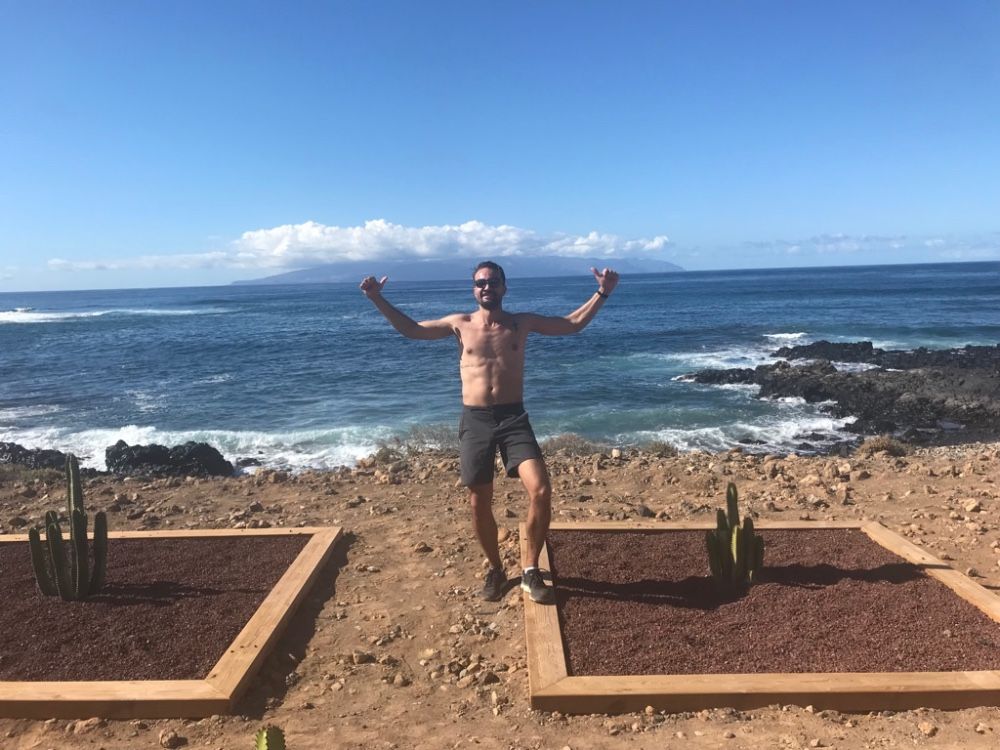
La Gomera island behind me during a hike from Los Gigantes to Playa San Juan.
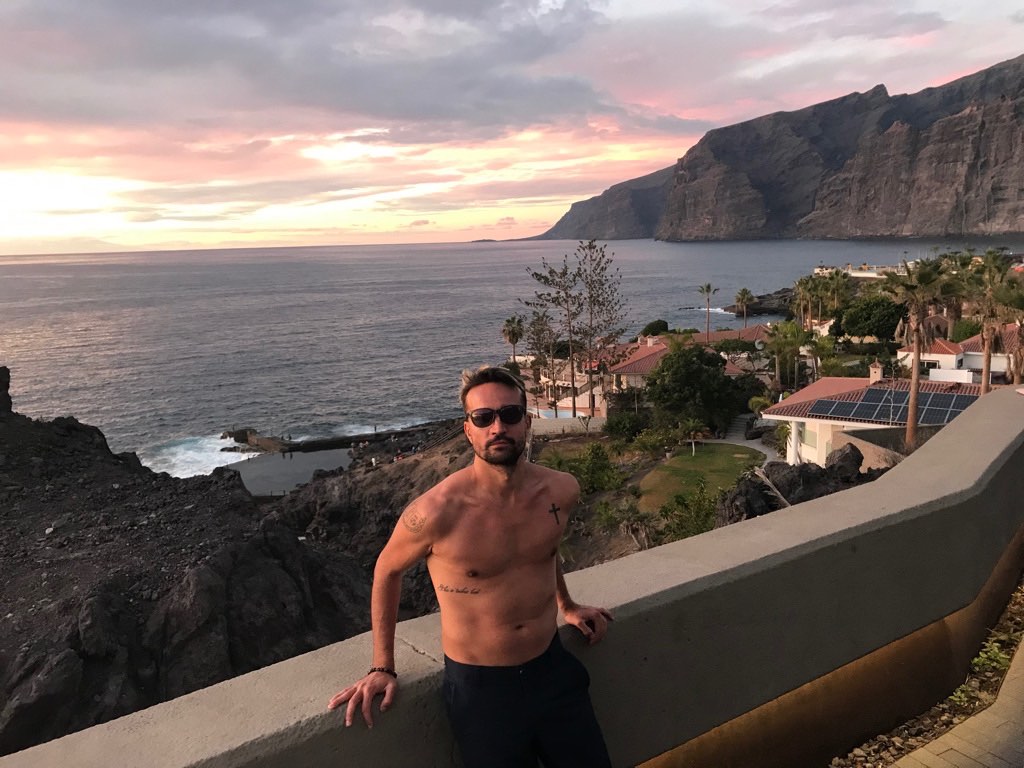
Los Gigantes in the background.
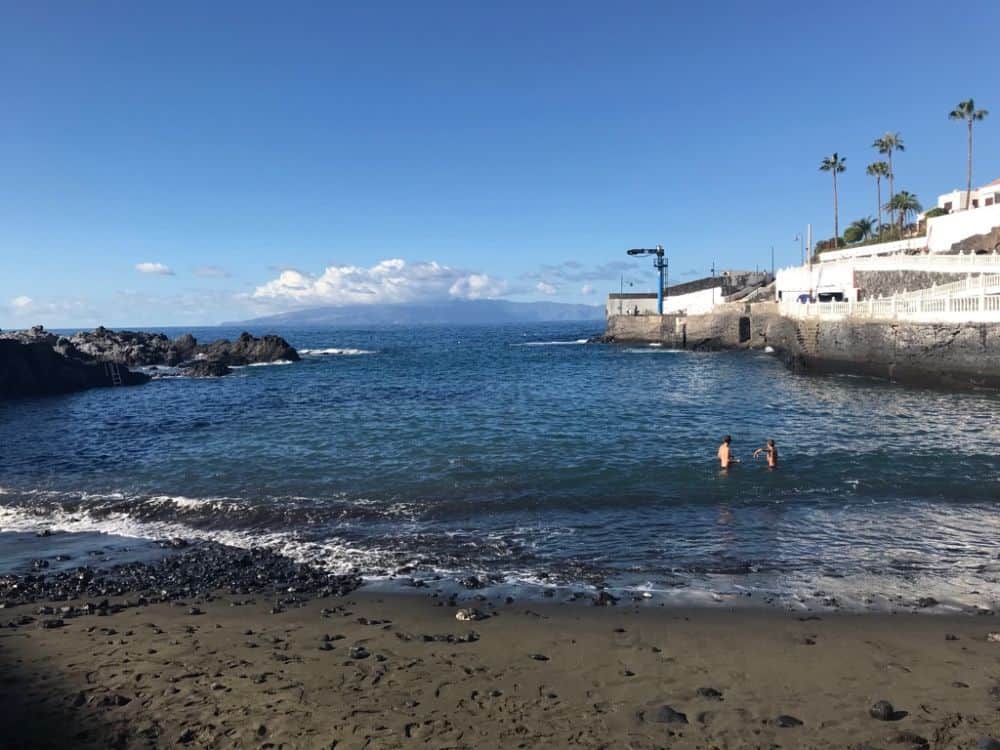
Puerto Santiago Bay, with rocks on the left side where I did the best snorkeling of all the Canaries, and the bay below at sunset.
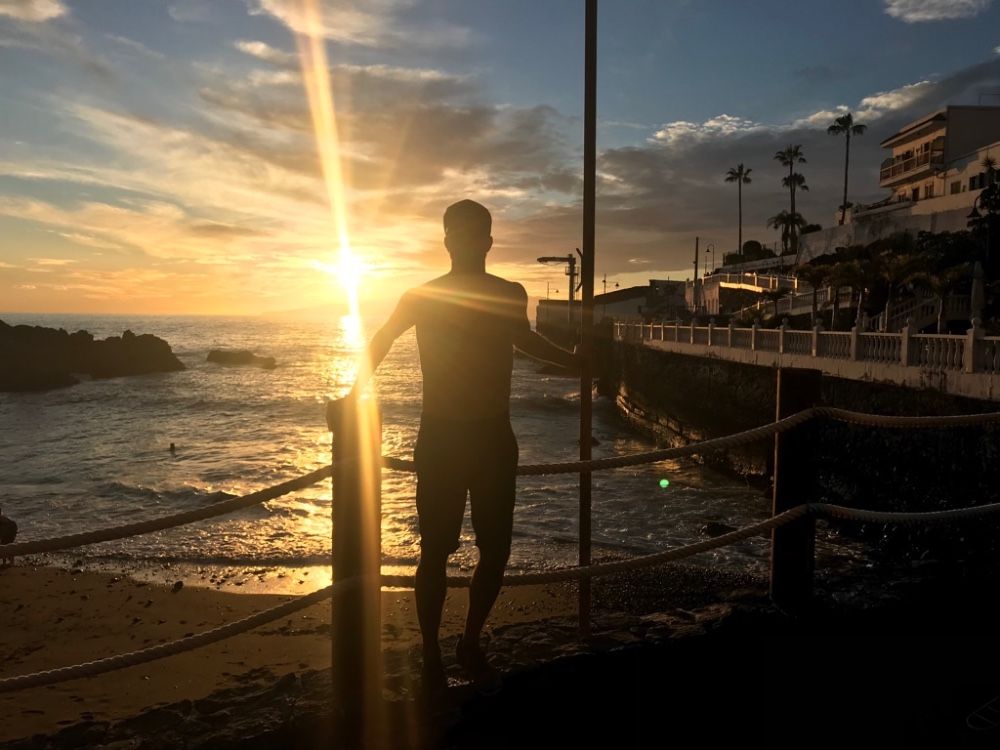
Tenerife rewards the travelers who ignore the obvious, and punishes everyone else with a week they won’t want to repeat.
The obvious is the Costa Adeje and Los Cristianos corridor in the south. Hotel strips, animation teams, cheap, tourist-trap food. It’s the version of Tenerife that fills most Google image searches and most travel brochures. It is also the version most worth avoiding.
We stayed in Los Gigantes in the southwest, a week before Christmas 2021. The town lies directly below cliffs that drop several hundred meters into the sea. No hotel strip, no animation teams. Only a harbor with fishing boats still in it. Three small beaches within fifteen minutes on foot. The snorkeling spot between the rocks below the cliff at Puerto de Santiago was the best I found on any Canary Island.
From Los Gigantes, Masca village is forty minutes by car, a small settlement in a ravine with ocean views that look digitally altered until you’re standing in them. Teide National Park is about an hour away. The approach takes you from Mediterranean warmth through pine forest into high-altitude cold, (sometimes) snow at the summit, black volcanic rock, and, on a clear day, the other islands visible on the horizon. That transition, from sea level to 3,715 meters in under an hour, is unlike anything else in the Canaries.
One important practical detail we didn’t know when booking the trip: a convenient bus connection runs from Los Gigantes to Tenerife North Airport. This matters because most accommodation in Tenerife’s south is oriented around Tenerife South Airport. This means the north- Anaga Rural Park, the coast road toward Garachico, and the green forests of Tequeste- can feel inaccessible from a southern base. Staying in Los Gigantes with that bus connection meant we could do Anaga Rural Park as a day trip and still reach the airport on departure without a transfer.
Who Tenerife is for: people who choose their base carefully. Specifically, anyone willing to stay in Los Gigantes, Garachico, or the north. Rather than the Costa Adeje-Los Cristianos corridor. Doing so, you will find an island with a huge variety. Volcanic landscape, real hiking, a working harbor, and food that isn’t aimed exclusively at tourists.
Who should go elsewhere: if your priority is beaches, go to Fuerteventura. Tenerife’s beaches are mostly black sand, often exposed to wind, and surrounded by buildings. The island’s strengths are landscape and hiking. Eventually, the contrast between the lunar surface of Teide and the green forests of the north, not the beaches.
Read my full Tenerife guide for the specific Los Gigantes accommodation we found, the snorkeling spot below the cliff, and the bus that changes how you think regarding accessing the north.
Gran Canaria: the island that surprised me with food but not the coastline
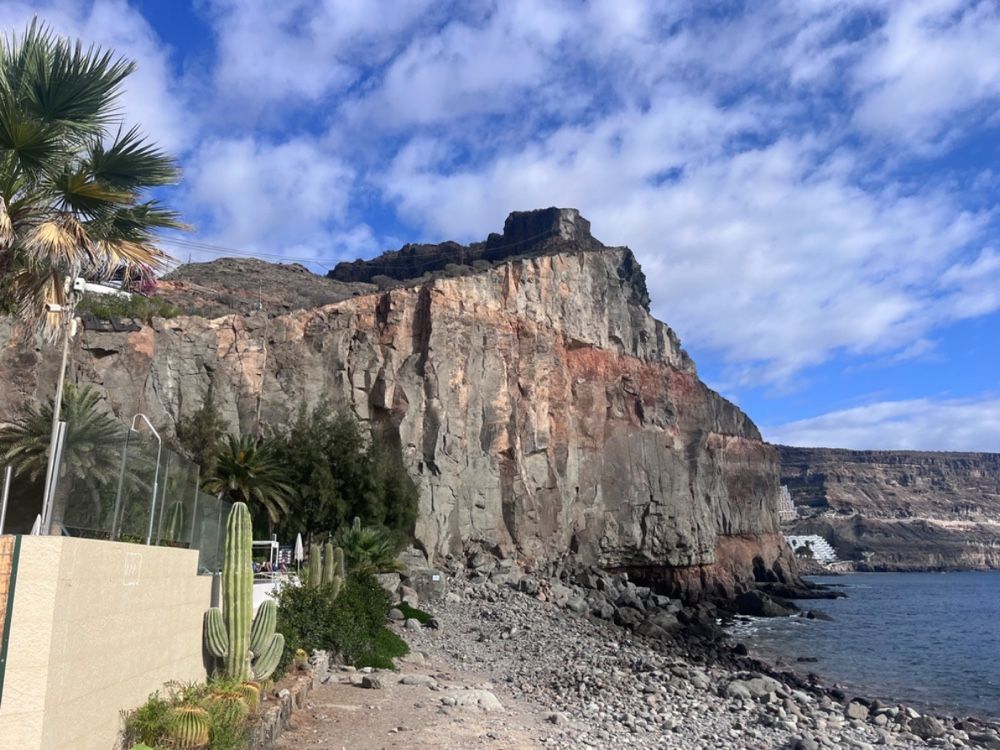
Rock cliff at Puerto Mogan beach, and below it during the walk to the beach through the alleys of Mogan village.
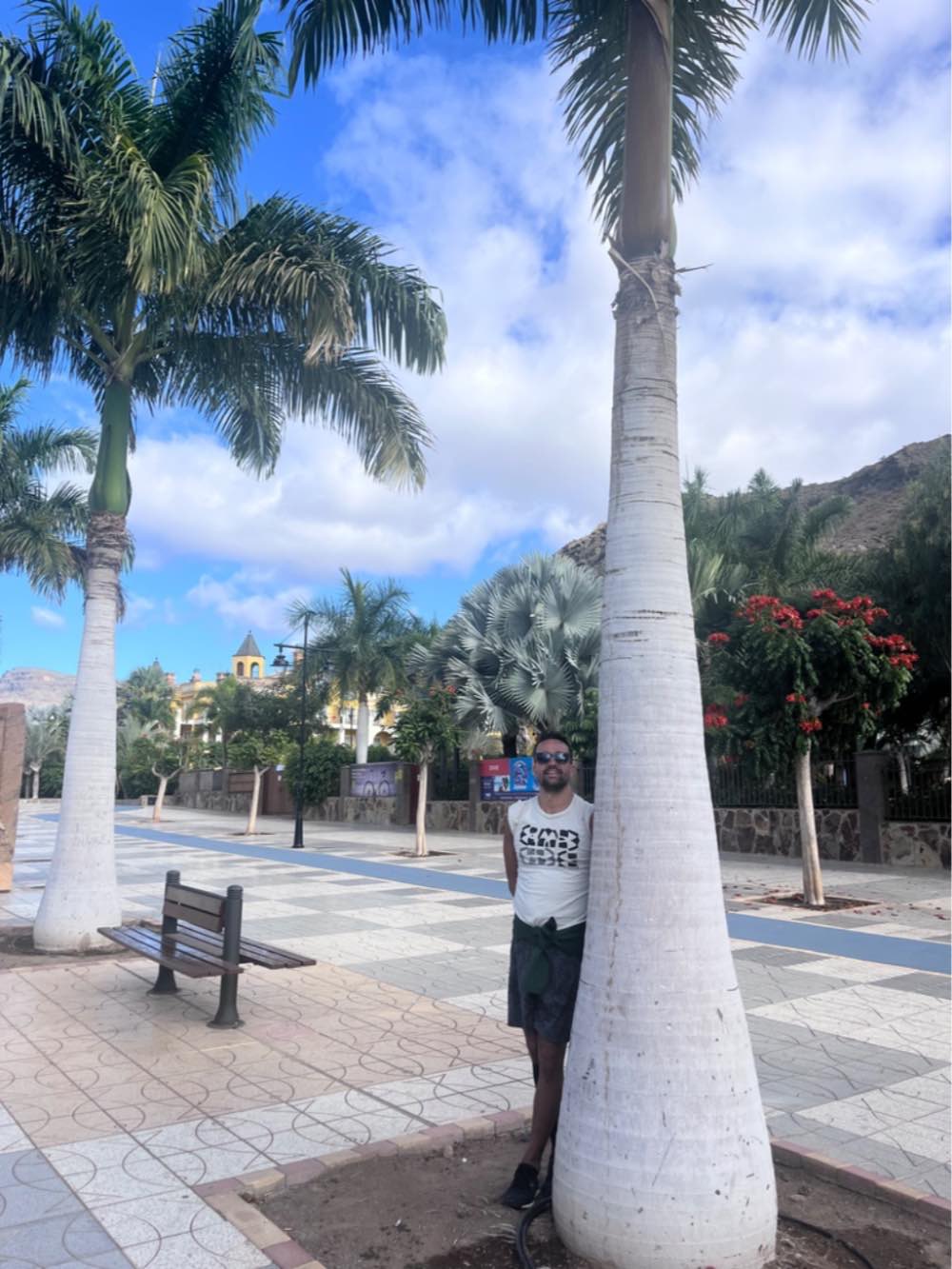
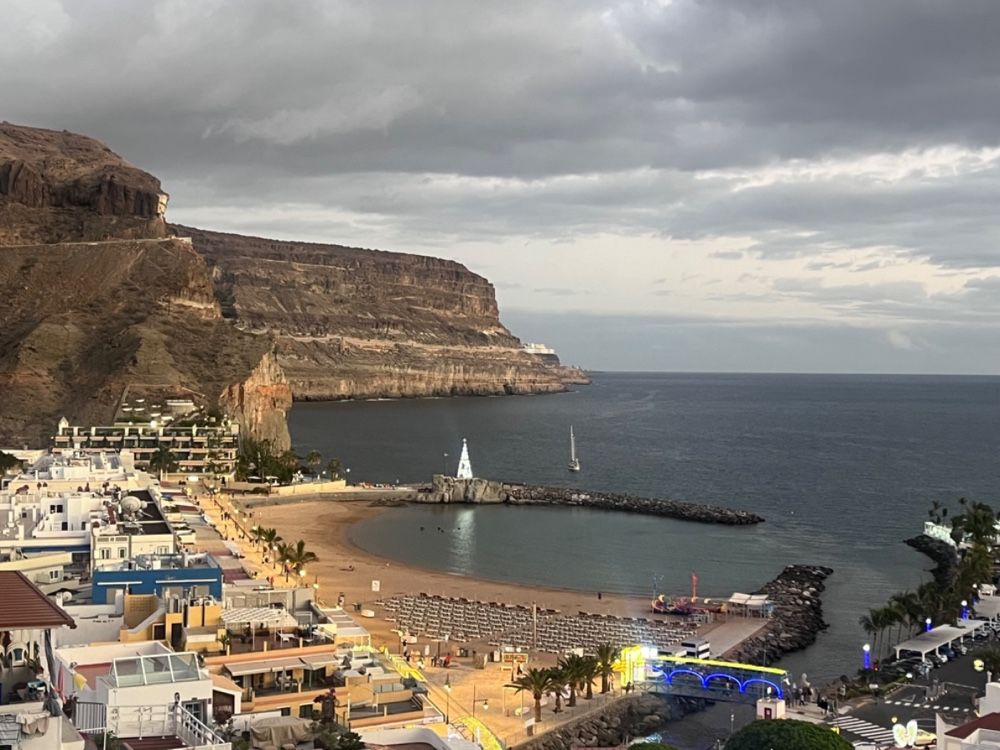
Puerto Mogan beach just after sunset.
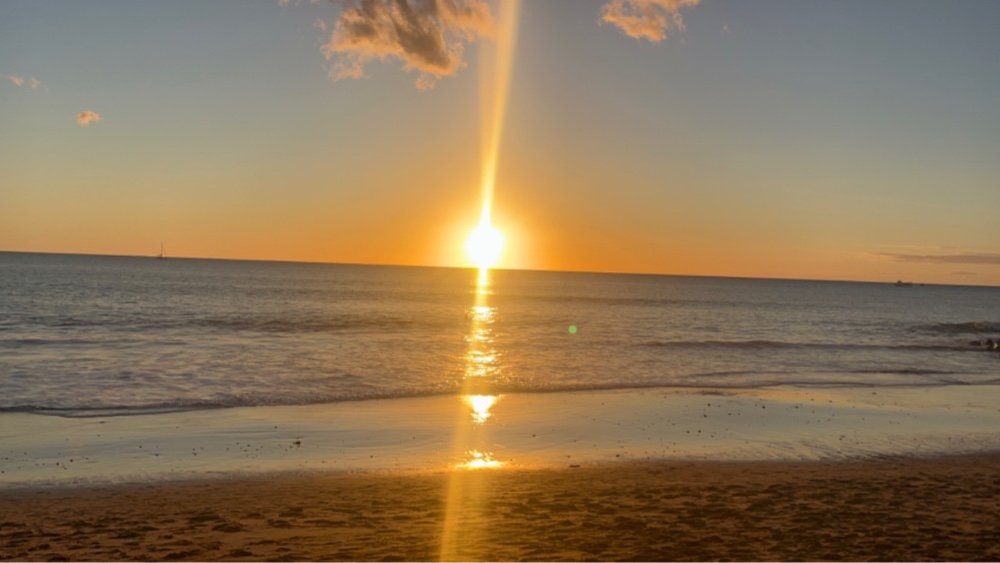
Sunset in Paya de Tauro was magical.
Gran Canaria surprised me more than any other island, not for its coastline, but for its food.
I stayed in Patalavaca in December 2024, a small coastal village about thirty minutes from the airport that most visitors drive straight past. Simply because it isn’t famous (luckily) and also because it is on the way to Amadores or Puerto Rico. Within walking distance, we found a tapas bar run by a man and his mother. Located at a roundabout and called Tapalavaca, it served the best tapas I found on any Canary Island. We also found a local takeaway in Arguineguín that fed us both with lunch for €15, with food that felt like someone’s kitchen, not a resort menu. An Italian restaurant at Amadores beach where the owners ship ingredients from Italy twice a week.
These places exist because locals eat there. That’s the filter I use when choosing restaurants where to eat.
The beaches in the south also surprised me. Five good beaches sit within a ten-kilometer radius of Patalavaca. Playa de Tauro stands out. It’s off the main road, with almost no facilities, and with a family-run restaurant above the water serving the best fish I found in the south.
The famous Puerto Rico beach is only twenty minutes away by bus.
After visiting it, we left after forty minutes. Loud animation team, a small, artificial-sand bay, and hotels next to a shopping center aren’t what we love when traveling.
The contrast between those two beaches is the most honest summary of Gran Canaria I can give you. The island contains both versions of itself simultaneously, and which one you experience depends entirely on where you choose to stay.
Inland Gran Canaria, Agaete, the Santa Brígida wine region, and the road up to Roque Nublo look nothing like the resort strip. Gran Canaria’s interior road network is the most accessible of the four main islands, making a car trip through the center genuinely easy and completely different from what most visitors see.
Who Gran Canaria is for: travelers willing to skip the resort areas, especially in the south around Puerto Rico and Amadores Beach. Instead, head inland towards the mountains, or far north to Agaete. It’s also the best choice if infrastructure matters: Gran Canaria has the most reliable bus network of the four islands, the best road system, and the most varied food scene, if you know where to look.
Who should go elsewhere: If you can’t stand huge, multi-story hotels or apartment buildings, and you want a vibrant island every hour of the day, go to Fuerteventura instead. The built-up areas are extensive and unavoidable in the south. Go to Fuerteventura instead; the coast there is far less developed and the pace is completely different.
Read my full Gran Canaria food guide on specific restaurants and where to eat as a vegetarian or pescatarian in southern Gran Canaria. If you want a full guide to the best areas to stay in Gran Canaria, read my full guide.
Lanzarote: the island I keep coming back to as a tourist
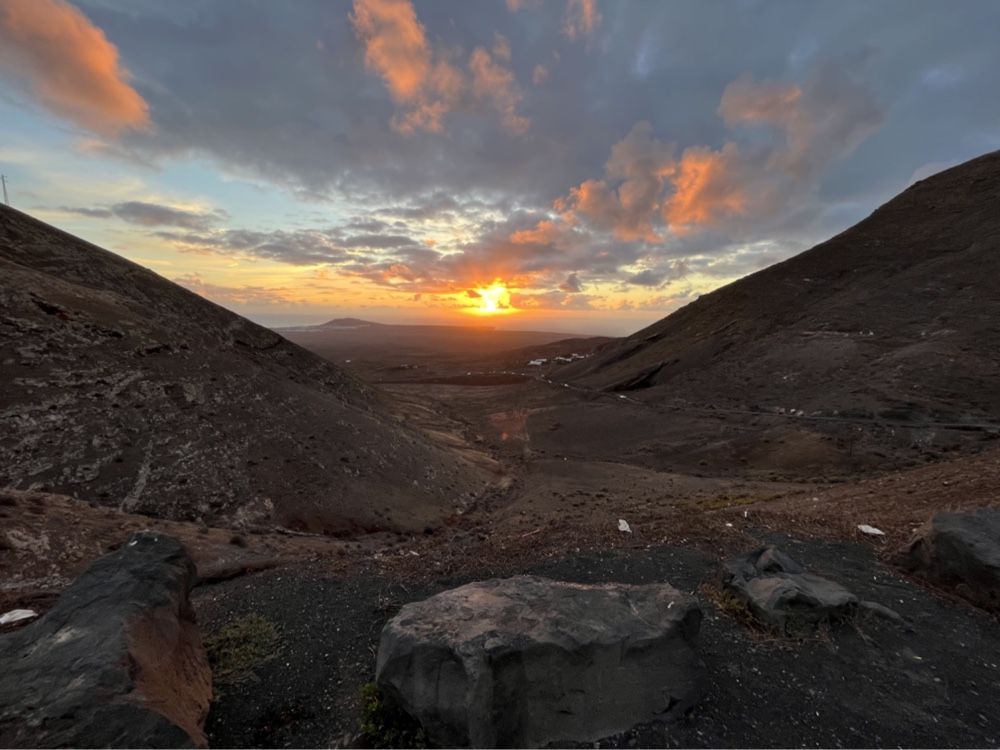
Sunset in Yaiza mountains on the way from La Geria to Playa Blanca.
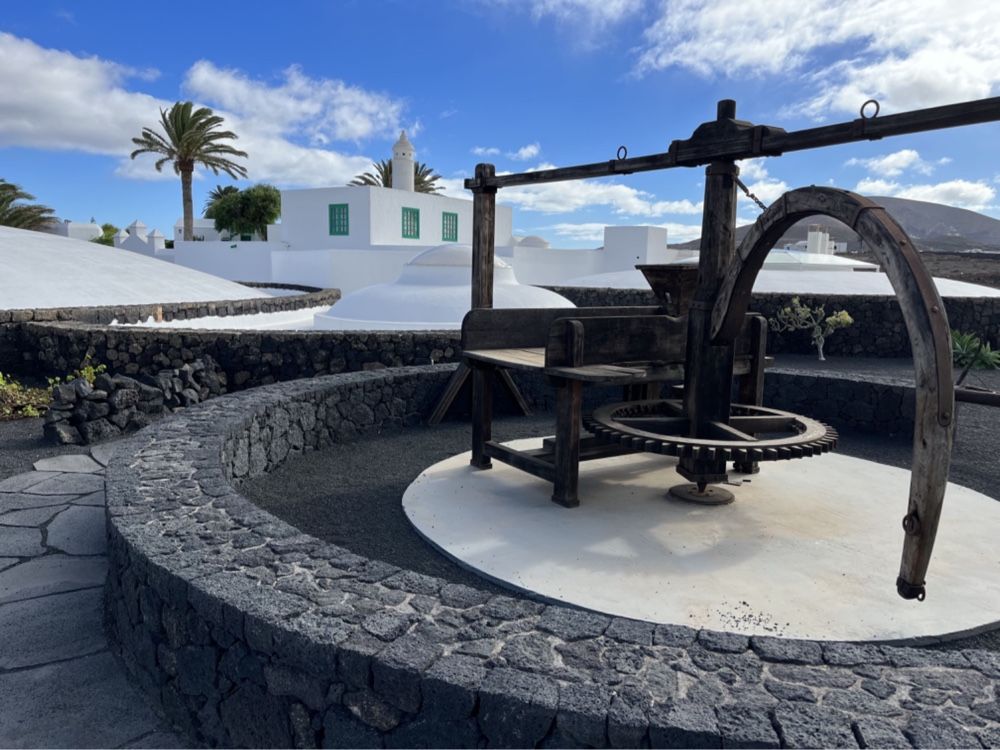
Traditional white-washed building in Lanzarote.
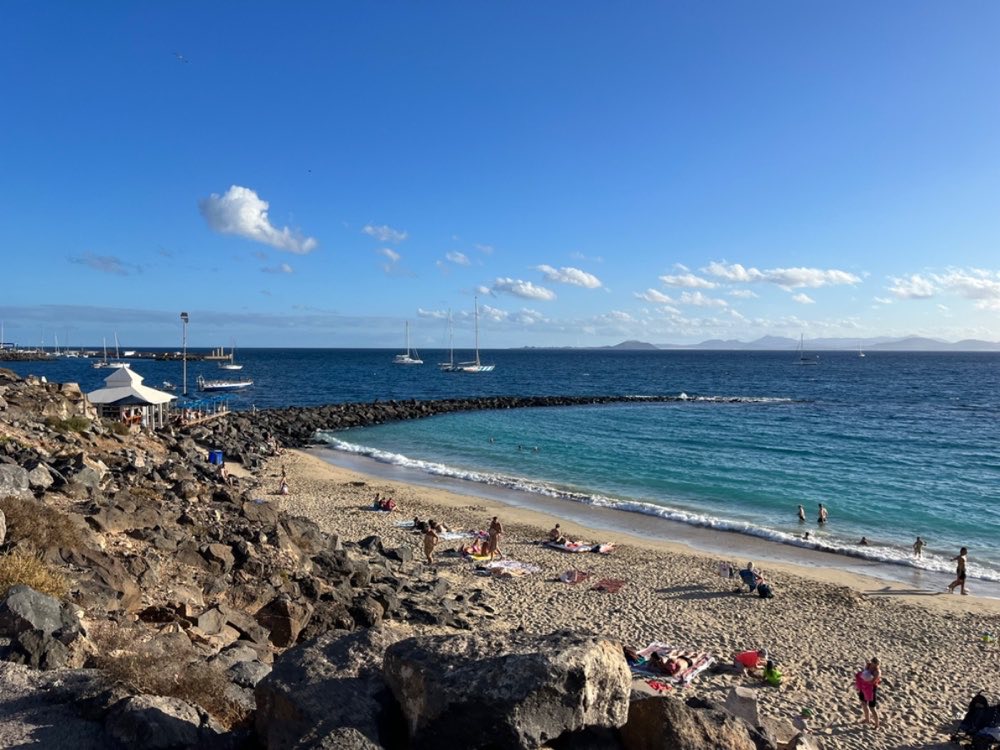
Playa Dorada in the Playa Blanca area.
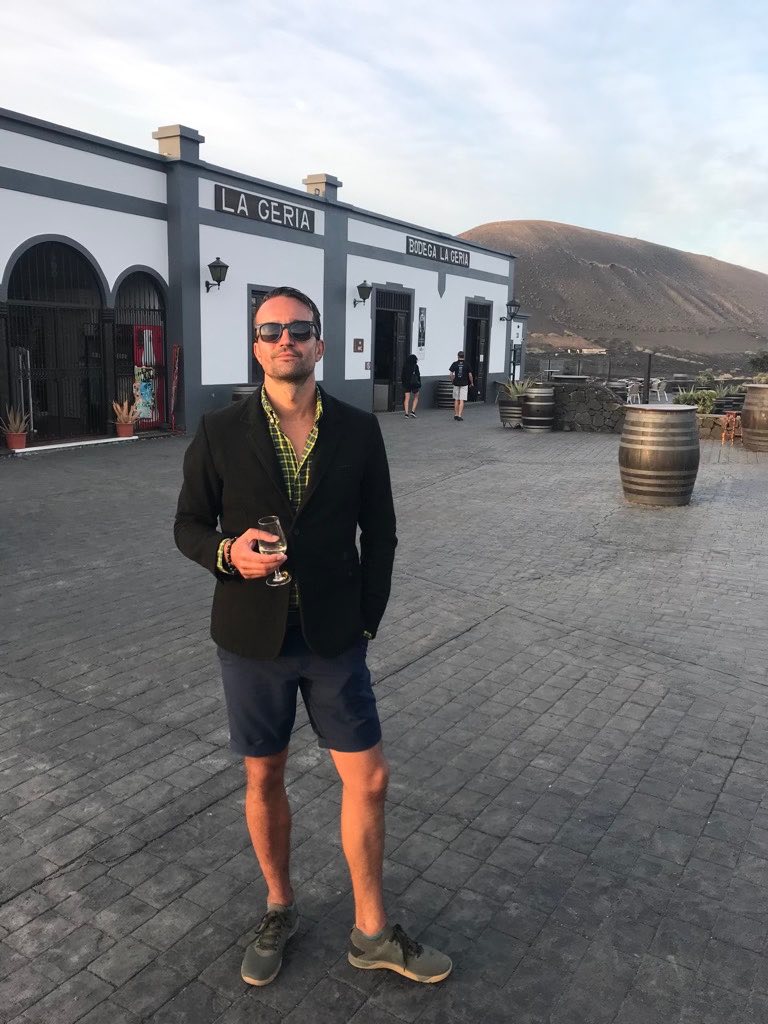
La Geria wine tasting.
Lanzarote is a rare beauty, and it’s the reason why I fell in love with the Canaries.
Lanzarote must be considered when searching for the best Canary Island to visit in 2026. It’s the most visually attractive island if you’re looking for unique scenery. The volcanic mountains in the La Geria wine region are a perfect example of this rare beauty.
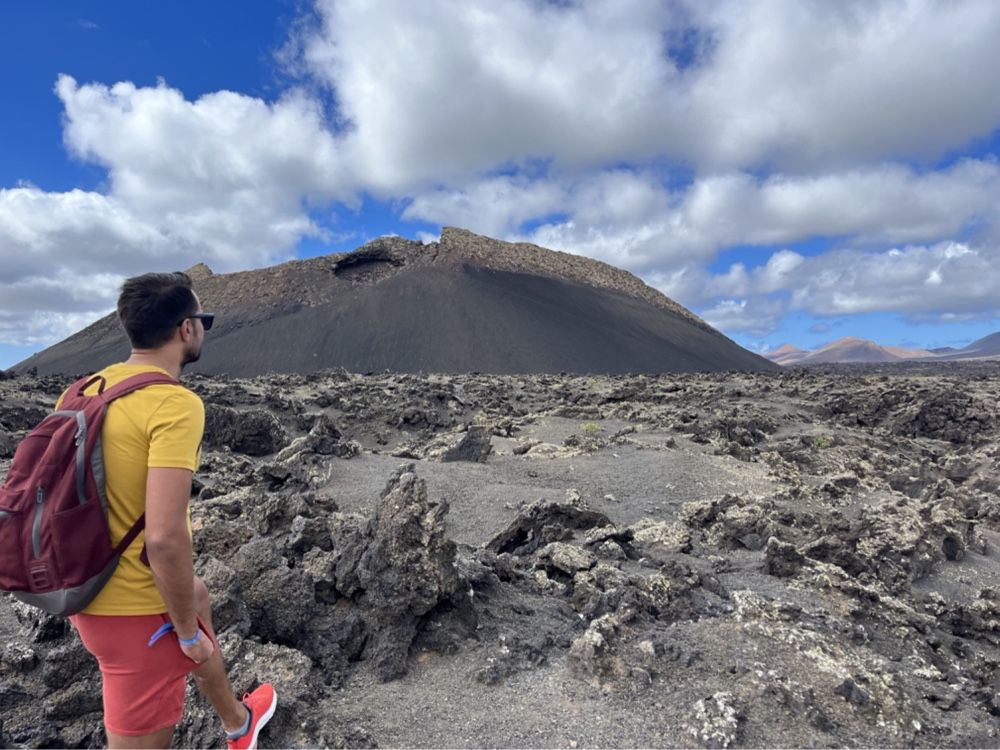
Whenever I am there, I feel like I’m on the Moon. Serene black volcanoes, craters, and the only buildings, the wineries, are worth the trip alone. My first trip to the La Geria region was by scooter. To this day, I vividly remember the mystical sunset scenery in the mountainous region. We had a Christmas aperitif right at the La Geria winery. This is the best Christmas food memory I have as an adult.
We spent Christmas 2021 based in Playa Blanca. The Island amused us so deeply that we extended the trip for one more week. So we also celebrated New Year’s Eve on Lanzarote; this time we based ourselves in Costa Teguise. Both resorts are different and serve different types of travelers. The former is a bit contradictory. On one hand, it has commercial, busier sandy beaches, coastal paths with shops, and touristy restaurants. On the other side, you’ll find volcano hiking trails, Timanfaya Natural Park, and a remote wine region.
The latter, only 10 minutes from the airport, has a more laid-back vibe. With lots of surfers, digital nomads, and great snorkeling in hidden spots, Playa Bastian is small, beautiful, and uncrowded, next to the more crowded El Jabilo beach.
If you love hiking in remote places, just a short hike from the last beach in Costa Teguise, Playa de Los Charcos, you reach Los Ancones. A remote, rocky place where you would feel like you are alone on the island.
Another gem you have to visit once in Lanzarote is La Graciosa. Car-free, remote heaven with peaceful beaches just north of Orzola. Plan 2-3 days to see the whole island, including Playa de las Conchas and Playa Francesa. We visited this island on our third trip, and I recommend everyone add it to their itinerary as soon as they book their Lanzarote trip.
Who Lanzarote is for: If you love serene, peaceful, and unique scenery, you will enjoy Lanzarote. Moon-like wine tasting, volcano hiking trails, and white-washed, green-roofed houses aren’t easy to find elsewhere.
Who should go elsewhere: If you want to party or enjoy the nightlife, go to Tenerife or Gran Canaria. Everyone I met who was disappointed with Lanzarote said they missed parties as the main reason. I never enjoyed resort nightlife, so it didn’t cross my mind as something I’d miss.
Read my full Lanzarote guide to find out how to spend an unforgettable time on La Graciosa beyond the standard guides, where to eat the best local food no other guides write about, and where to find the best volcanoes to hike.
Fuerteventura: the island built for people who aren’t in a rush
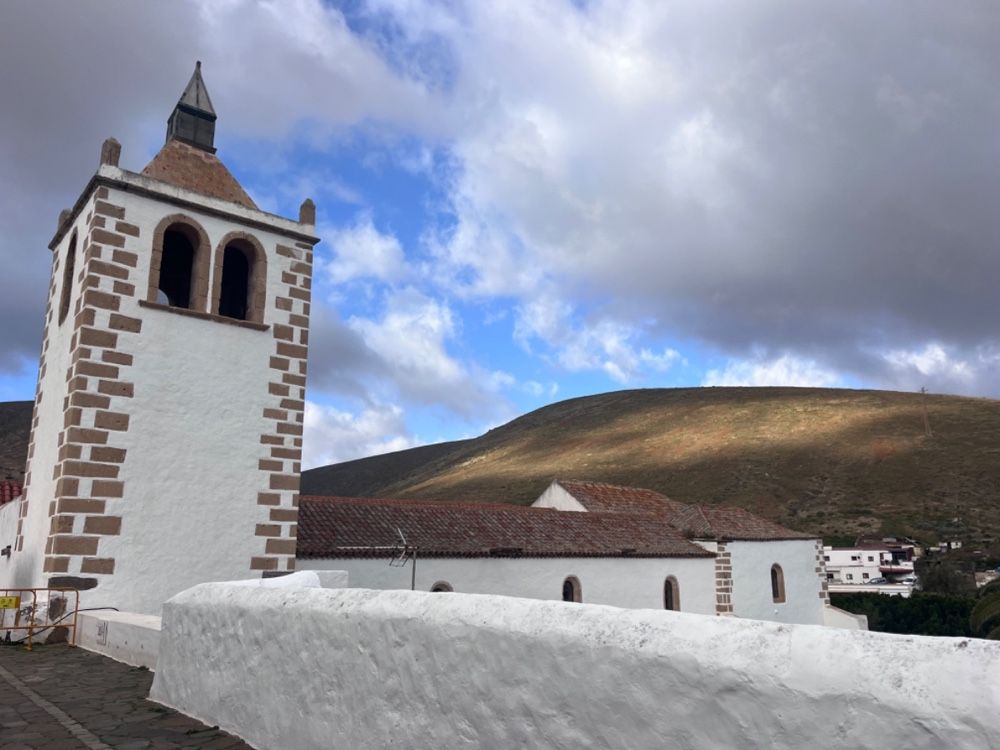
Betancuria, the historical capital city of Fuerteventura
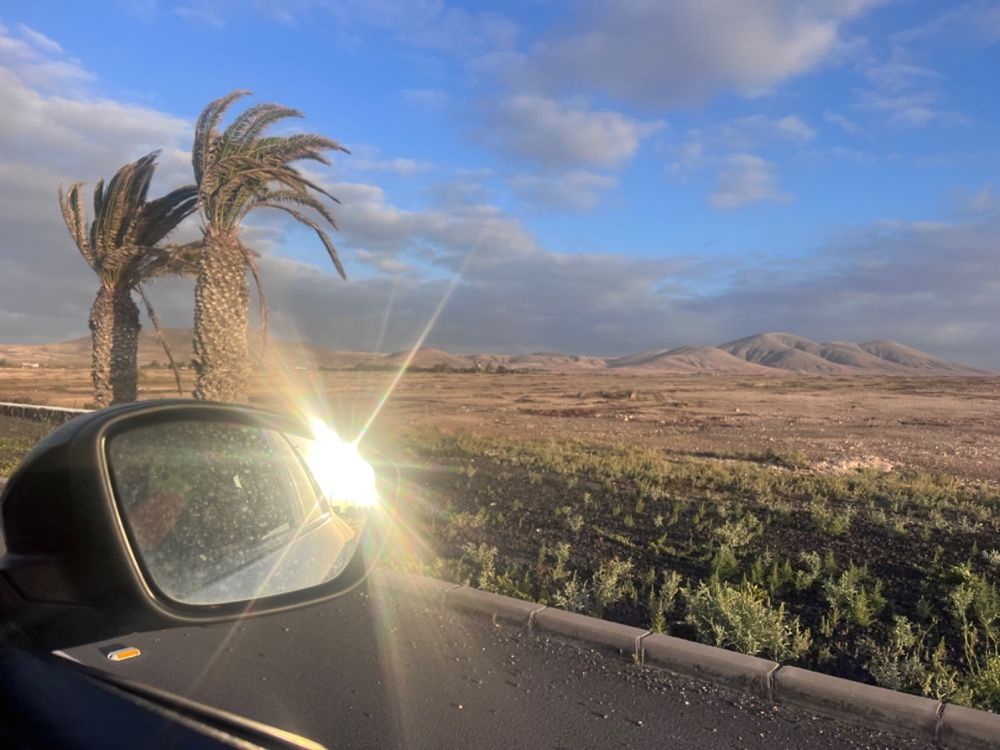
Somewhere on the way in Fuerteventura
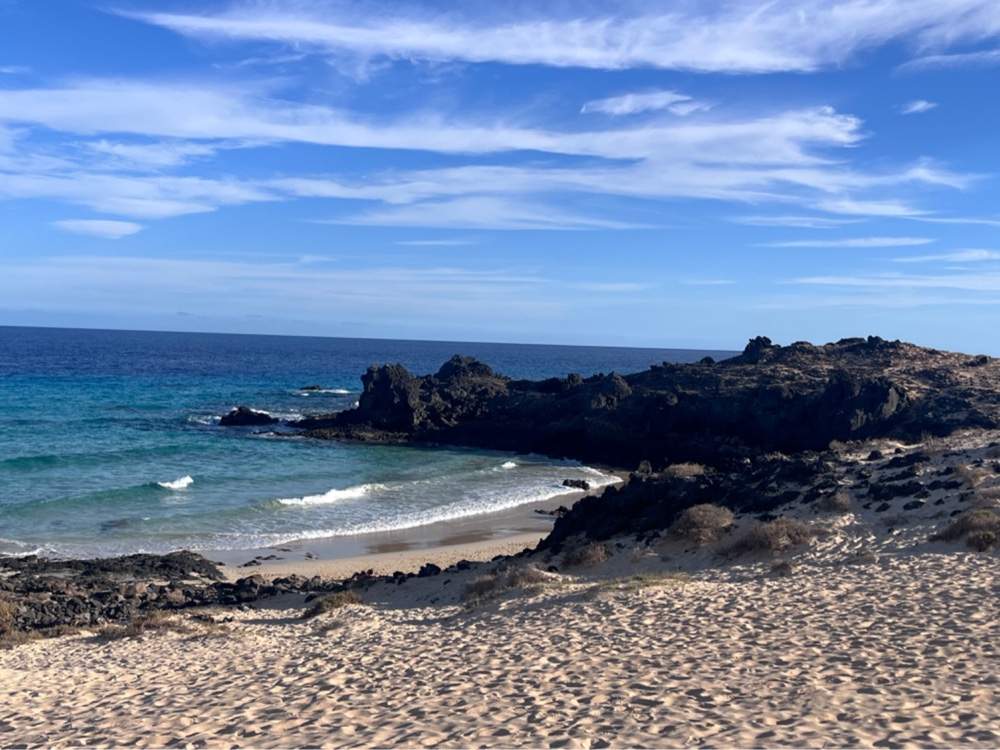
Playita del Poris
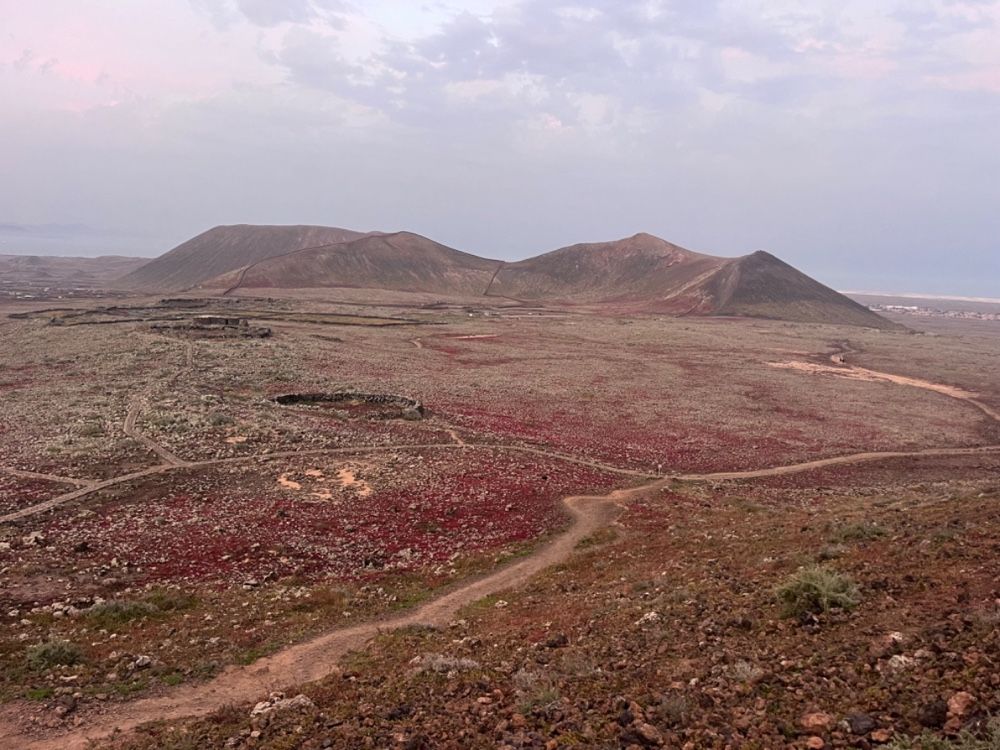
View from the Calderón Hondo volcano.
Fuerteventura is the Canary Island that takes the longest to understand, and rewards you the most once you do.
My first visit in February 2022 didn’t land well. I got three days in the trip, my coronavirus infection. I was recovering in Morro Jable while the island happened outside the window. Not really a fair test, honestly. Especially when this trip was only 3 months after our amazing Lanzarote experience.
Three years later, in February 2025, I came back. What started as a holiday became an eight-month stay, split across multiple visits. Even though I hadn’t planned it in the first instance. Something about the island felt so good that I had to stay. That gap in perception is the most honest thing I can tell you about Fuerteventura: it isn’t an island you can do in a one-week package deal.
What changed my mind was understanding what Fuerteventura actually is. This is one of the few places in the Canaries in which nature still sets the pace. Wind speeds here are consistently among the highest in Europe, which is why the island draws serious kite surfers and windsurfers from across the continent rather than the standard resort crowd. The wind shapes almost everything here. The landscape, the beaches, the kind of traveler who stays longer than a week.
The beaches are the best in the Canaries, and I say that having visited all four main islands. Sotavento in the south, Playas de Grandes in Corralejo, Castillo beach in El Cotillo. Those beaches are kilometers of natural sand, without overpriced beach kiosks, without animation teams, and without the whole infrastructure that sometimes turns a beach into a product. If that’s what you want from a Canary Islands trip, nothing else comes close.
Cofete beach and Lobos Island are at the other end of the spectrum, remote to the point of feeling uninhabited. You can only reach Cofete by dirt road, where standard rental cars aren’t allowed, but it’s worth the trip. Lobos Island is a protected natural reserve a short ferry ride from Corralejo, completely car-free, and worth half a day for anyone, regardless of which island they’re based on. Lanzarote or Fuerteventura. Winter’s Villa at Cofete, the refuge of a Nazi general who ended his days on this far edge of Europe, is the kind of historical detail that stays with you.
Who Fuerteventura is for:digital nomads, water sports enthusiasts, nature lovers, and peace seekers. You all will find your piece of heaven. Also, if you are looking for an island where the infrastructure, high buildings, and heavy urbanization haven’t arrived yet.
Who should go elsewhere: If you necessarily need greenery, you are better off elsewhere. Fuerteventura is one of the Canaries with almost no green plants or trees, except for a few palm trees near resorts in Corralejo or in Betancuria, the island’s old capital. It is a desert landscape of wind and ocean, which is exactly why some people love it, and others find it monotonous by day four. If that sounds like you, Tenerife’s forests and Teide’s pine-lined roads will serve you better.
Read my full guide on Fuerteventura and its (hidden) beaches, best areas to stay for a local experience, and its unique bus and transportation system, especially handy if you plan to stay more than one month. Discover what real Majorero life is like.
Which island for slow travellers and conscious eaters?
If you’re staying up to one month, start with Lanzarote. The volcanic landscape takes time to understand properly, but a month gives you enough space to settle in. Also, visit La Graciosa, explore the La Geria wine region, find the teleclubs (Lanzarote has more than fifteen), and reach parts of the island that don’t appear oon the first page of Google results.
If you don’t know what Teleclubs are, I wrote a Lanzarote vegetarian food guide that explains these unique, almost lost food concepts that support the local community.
If you’re planning a month or more, Fuerteventura is the best Canary Island to visit in 2026. The digital nomad community that spends winters there is real and genuinely welcoming. Especially in Corralejo, there are co-working spaces, weekly meetups, and enough like-minded people that the island doesn’t feel isolating for longer stays. The food in Puerto del Rosario is better than you’d expect for a capital city that most visitors bypass. I wrote a full Fuerteventura vegetarian and pescatarian guide specifically for that.
The best option, if your schedule allows: both. The ferry between Corralejo and Playa Blanca takes thirty minutes and costs around €17. There is almost no reason not to combine them if you have the time.
Best Canary Island to visit in 2026:
Best Canary Island to visit in 2026:
The Canary Islands are an ideal destination if you want winter sun. With warm year-round weather, it is never too hot or too cold. I have covered the 4 main islands; in the future, I plan to visit the remaining ones, and then I will post about them here as well.
As every island is different, it serves different travelers. To help you choose the best Canary Island to visit in 2026, refer to the summary below. Have fun exploring.
If this is your first Canary Islands trip: Lanzarote.
If you want Europe’s best beaches, peace, and wilderness: Fuerteventura.
If you care more about food than beaches, or the environment : Gran Canaria south.
If you want hiking and dramatic landscape: Tenerife, base in Los Gigantes.