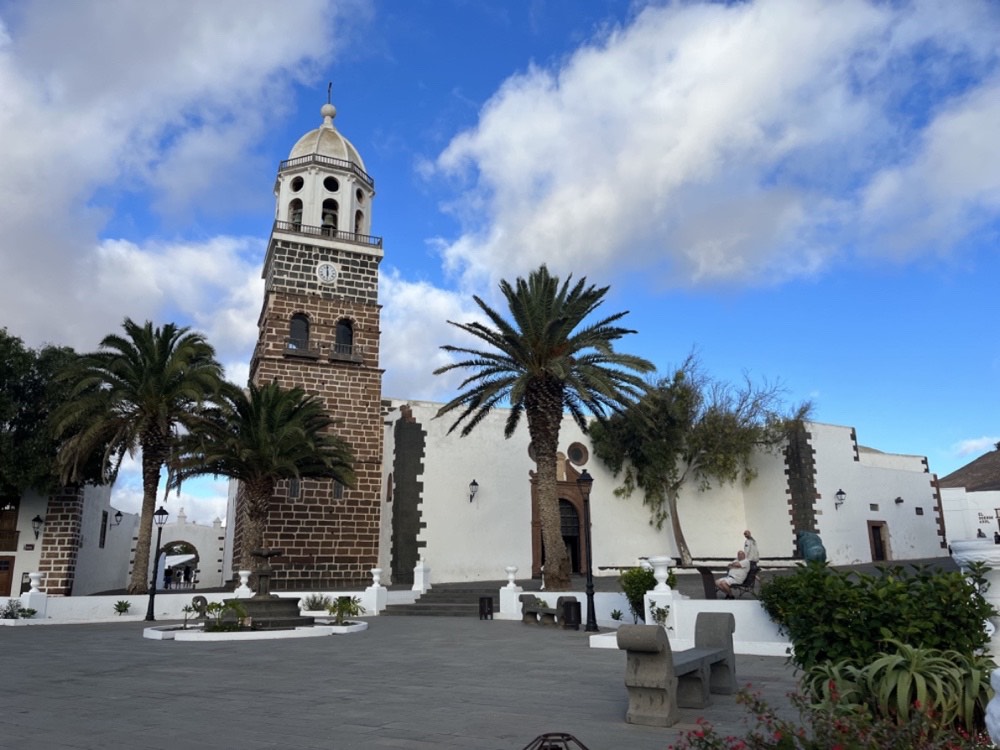
When thinking about Lanzarote vs Fuerteventura, you know that they are separated only by thirty minutes on a ferry and about as much in most travel guides. Both get filed under “volcanic Canary Island, good beaches, year-round sun” and left at that.
The comparison usually stops there too. Fuerteventura for beaches, Lanzarote for scenery.
Pick one.
I’ve visited Lanzarote five times over four years and spent a total of eight months across multiple trips in Fuerteventura.
That’s not the same as visiting both once and writing a comparison. It’s the difference between meeting someone at a party and actually knowing them. Both islands revealed things on the third and fourth visit that weren’t visible on the first.
This post is based on those later visits, not only the surface version of either island.
If you want the short answer before we go further on Lanzarote vs Fuerteventura : for a first Canary Islands trip of one to two weeks, I’d say Lanzarote. For a longer stay, a return visit, or anyone who wants to slow down properly, I’d say Fuerteventura. The rest of this post explains why.
Lanzarote vs Fuerteventura: Which one should you visit?
Lanzarote for first trips and shorter stays. Fuerteventura for longer stays, slow travel, and anyone who wants the island to set the pace rather than the itinerary.
That’s the short version. Here’s the slightly longer one.
Lanzarote is the more immediately rewarding island. It’s compact enough to understand in a week.
What do I mean by that?
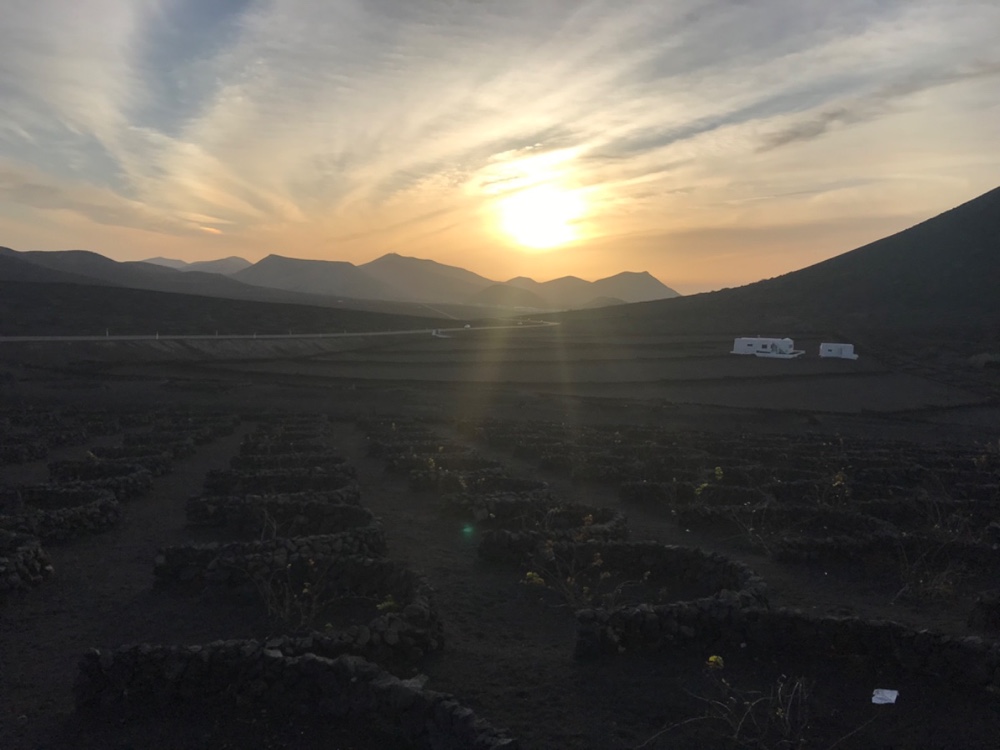
The volcanic landscape, La Geria wine region, La Graciosa island just north of Orzola, the whitewashed villages with green doors. You arrive, book a place, you explore, and by day four you feel like you know the place.
The bus network is very straight forward. Buses are on time, modern and do accept card payment.
The pieces fit together quickly.
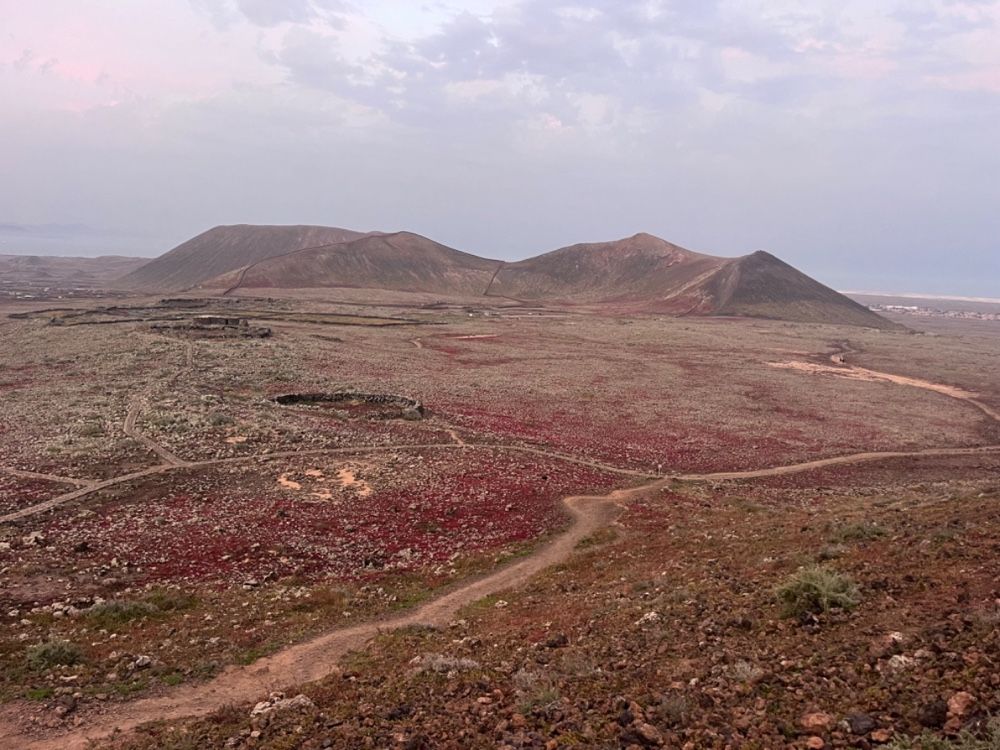
Fuerteventura works differently. The first visit, mine was in February 2022, three months after a trip to Lanzarote that had set a high benchmark, felt a bit flat by comparison.
Desert landscape, wind, long distances between places.
It took a second visit, three years later, to understand what the island actually is.
And then multiple longer stays after that to understand it properly. Eight months total across several trips.
In short, the island doesn’t reveal itself on a schedule.
It reveals itself when you stop trying to see everything and start staying somewhere long enough for a routine to develop.
So the honest answer Lanzarote vs Fuerteventura depends on one question more than any other: how long are you staying?
- One week: Lanzarote. You’ll see more variety, cover the highlights comfortably, and leave feeling like you experienced a complete place.
- Two weeks: either, depending on what matters to you. Lanzarote with a two-night La Graciosa extension, or Fuerteventura with enough time to base in the north and actually experience El Cotillo properly.
- 3 weeks or more: Fuerteventura. The digital nomad community, the pace, the island’s resistance to being rushed, these only reveal themselves with time. You can’t experience Disfruta el momento on a schedule.
Lanzarote vs Fuerteventura at a Glance
| If you want… | Your choice |
|---|---|
| First Canary Islands trip | Lanzarote |
| Beaches | Fuerteventura |
| Volcanic scenery | Lanzarote |
| Wine & local food experiences | Lanzarote |
| Surfing / water sports | Fuerteventura |
| Peace & wilderness | Fuerteventura |
| More reliable buses | Lanzarote |
| Longer slow-travel stay | Fuerteventura |
| Shorter 1–2 week holiday | Lanzarote |
| Nightlife | Neither |
Lanzarote vs Fuerteventura:Beaches and the honest comparison
There has been a lot written about the beaches. Fuerteventura wins on beaches. That’s the honest verdict. But Lanzarote’s beaches are more underrated than any other aspect of the comparison, and the gap is smaller than you’d think. Places like Corralejo, Sotavento or Morro Jable are kilometres long, white sand stretches of natural beauty.
There is another part of the answer, that gets buried with Fuerteventura and its beauty, and that’s that Lanzarote has beautiful and underrated beaches like El Jabilo, Playa Bastian, or Playa de la Canteria.
These are genuinely good beaches that have low competition for visitors because the island isn’t marketed as a beach destination.
The truth is, Fuerteventura has substantially more sandy beaches than Lanzarote. In my Canary Islands comparison, I call its beaches the best of the four major islands I have visited and I truly believe in that.
Even though it’s hard to pick the best, I will try to show you the beaches I recommend to visit, and per Island.
Best beaches in Fuerteventura
What I like about Fuerteventura beaches is that they are natural. (With exception of Caleta de Fuste in costa Antigua.) Many of them feel as the island itself, wild, remote and open.
While the most famous one can get busier, thanks to its length, you won’t feel bothered by others too much regardless the time of year, you will visit. With that in mind, it is good to know, where to go if you search for hidden and remote beaches.
My recommendations for big stretch of sand:
Sotavento– while its favourite among the kite surfers, there is an entry spot, that feels nothing like water sport heaven. It is called Playa el Salmo and the entry is along the mirador offering stunning views. Arriving later in the day, might mean difficulties to park the car, but beach is long enough to find quiet spot.
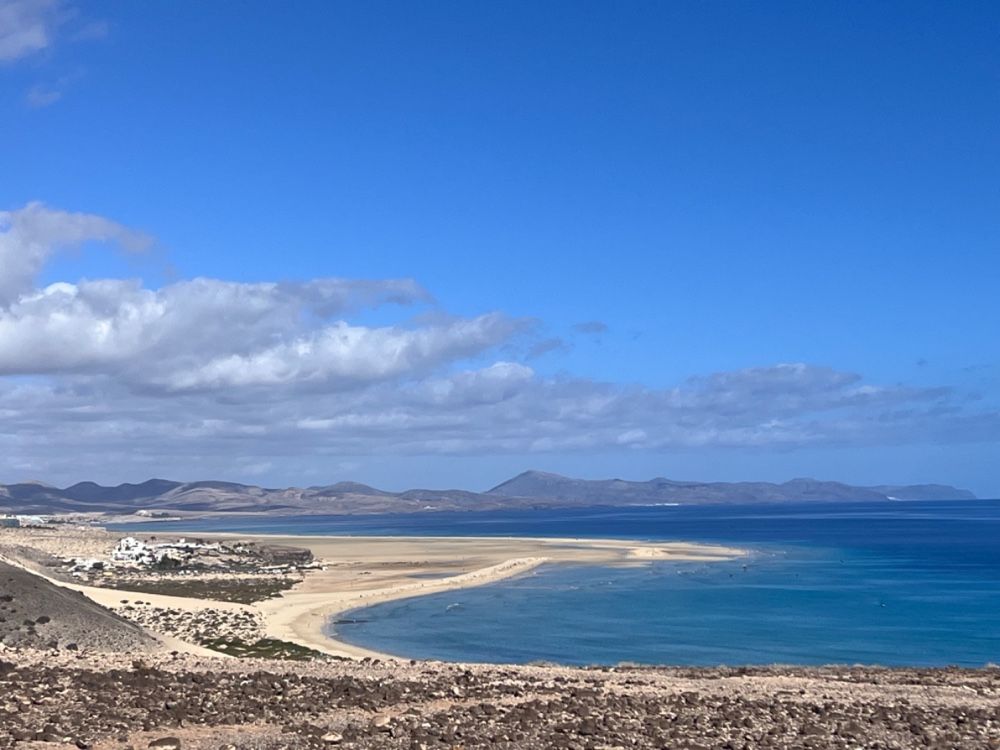
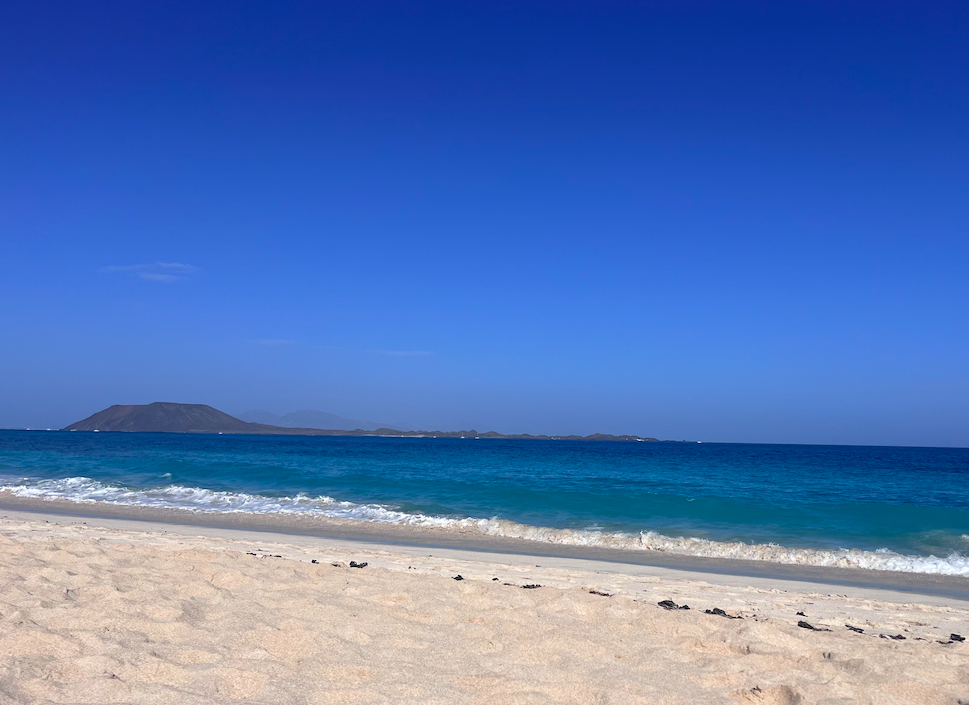
Corralejo Playas de Grande -one of my most favourite spot on the east coast of Fuerteventura, mainly thanks to its versatility. Many people say this beach is busy, but that’s only because they know the stretch between the two big hotels, which is almost always full of people. I go where locals go, and I experience totally different vibe. View on Lobos, a few lounges, easy entry to the Ocean.
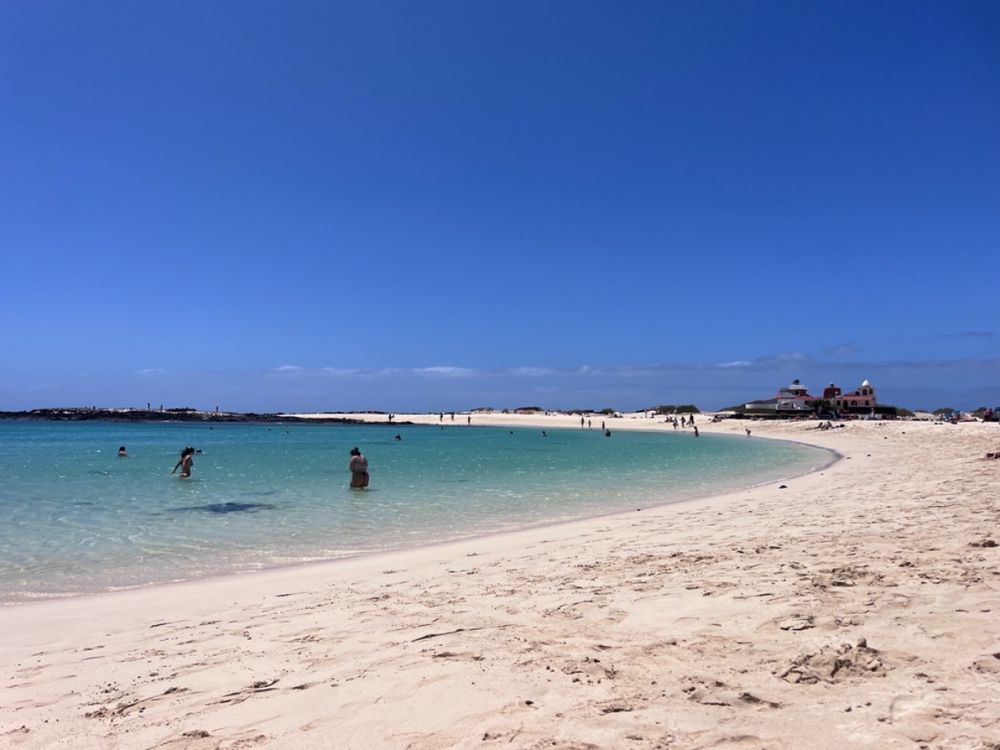
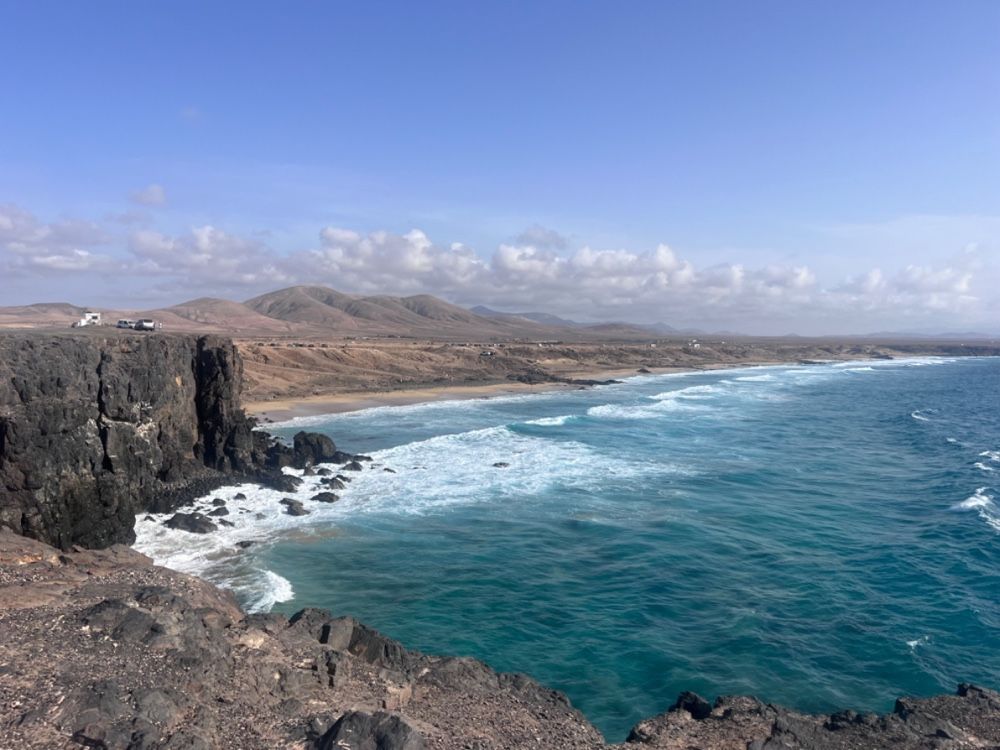
Playa la Concha and Playa del Castillo in El Cotillo-those two are belonging to the most beautiful beaches on the west coast of the island. Playa de La Concha can get busy during weekend as its favourite for locals too, but during the week and on windless day it is magical. Castillo is wild, surfing gem, filled with camper vans, adding the nomad vibe to the place. If you crave more remoteness, just down the dirt road, there are Esqualera beach and Esquinzo beach, which are similar but smaller and emptier.
For some quieter, more remote atmosphere:
Playita del Poris-One of the most remote, hidden and private beaches in north Fuerteventura. By writing this, I am sharing a huge secret, among locals and many locals will not like it but I think , a good places are to be shared, right?
Playa de Alzada-Next to the main road, but despite of that fact, not crowded and relatively quiet.
Playa El Rio– an absolute gem. If you are lucky, you will be alone here. Come in the morning.
Best beaches in Lanzarote
The truth is that the best Lanzarote beaches are located close to the main tourist resorts.
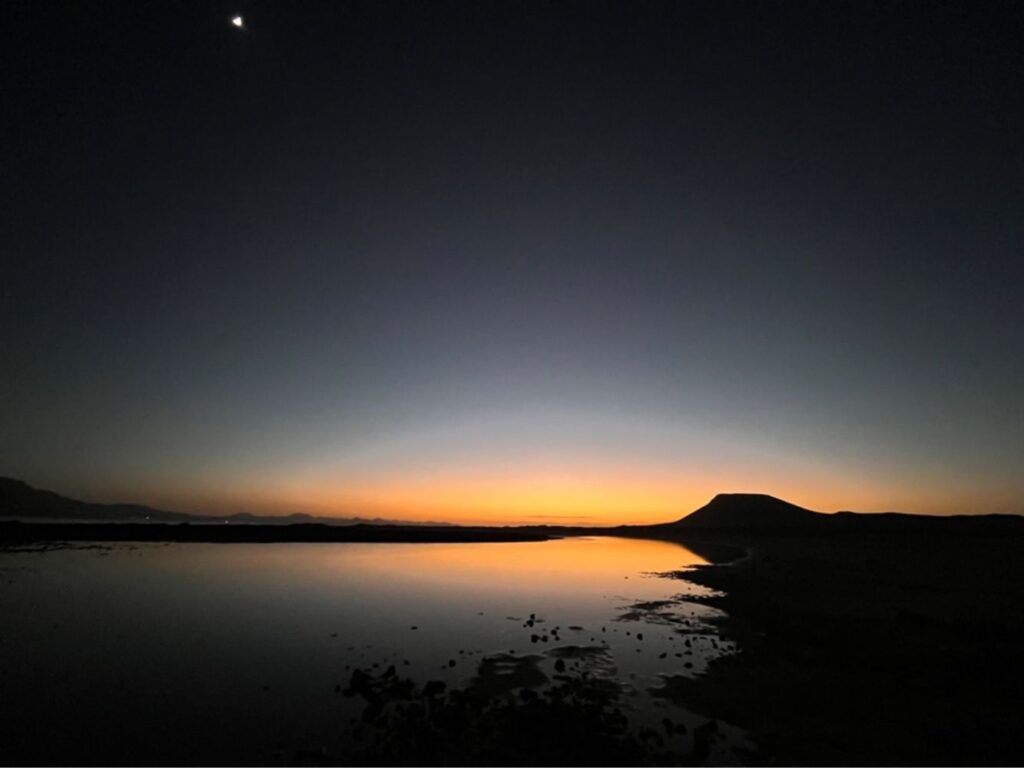
There is also exceptions to this rule on Lanzarote and that is remote PLaya de la Canteria , close to Orzola.
And additionally, there is La Graciosa island that belongs to Lanzarote with its beautifully remote Playa de las Conchas, and Playa Francesa.
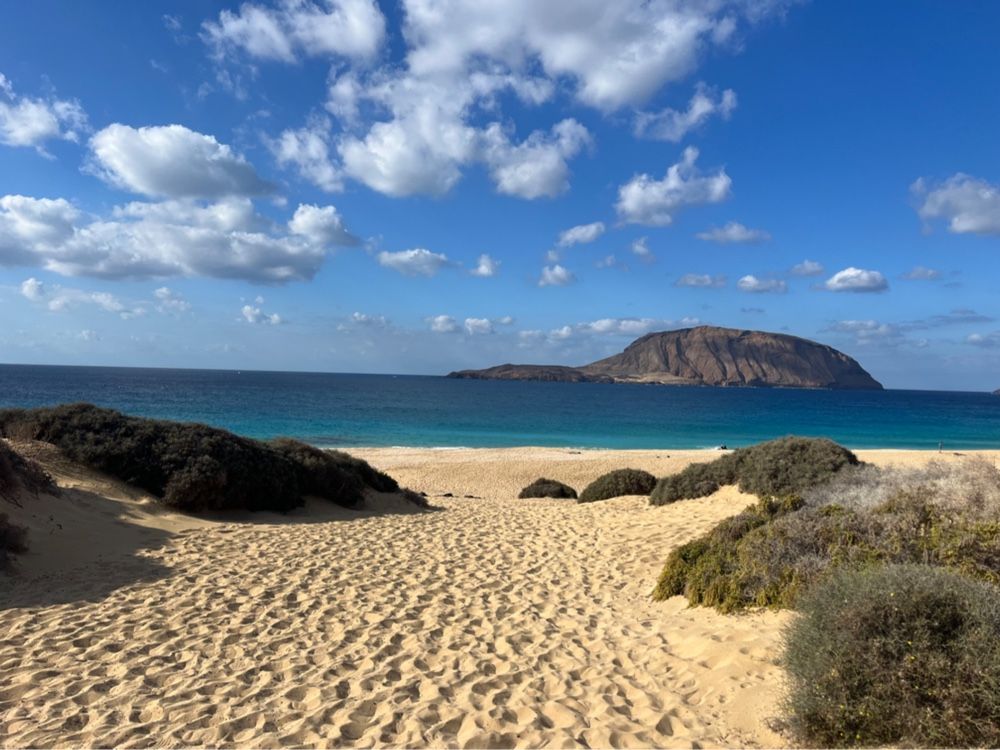
Besides the beaches from above, those are recommended beaches in Lanzarote if you want to escape crowds:
Playa de Dorada-located in Playa Blanca, someone could say, its crowded. While, it’s more filled with resort guests, for us, it was never too busy. We visited it every time when on Islands, and we always found a free spot.
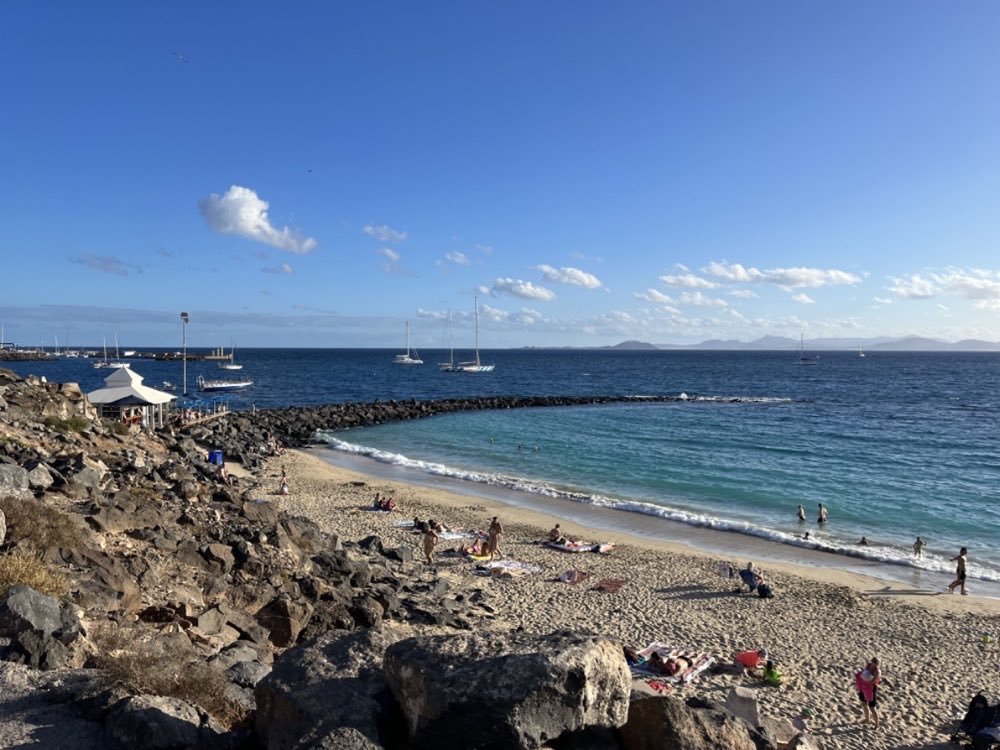
Famara Beach -surfers are present, so it might be busier, but due to its size, you will still find an uncrowded spot. Beautiful for observing the rocks, waves and sunset
Playa de la Cera -neighbour of the busier Papagayo Beach, but similarly stunning. As well as Papagayo, a bit harder to reach, but its definitely worth of the dirt road adventure.
Lanzarote vs Fuerteventura: Food, the angle no other comparison covers
Being vegetarian (since 2024 pescatarian), availability of good places to eat, became decisive factor for me when booking my trips. If you love tasty, local and authentic kitchen, you are here for treat in both islands. Even though, the experience varies quite significantly.
Lanzarote Food Scene
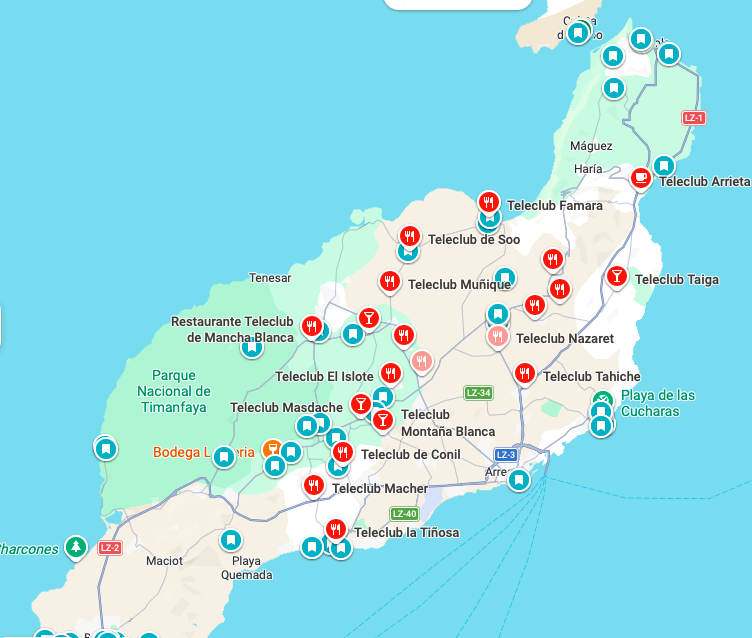
Lanzarote is filled with teleclubs. Unlike Fuerteventura, where only 4 are present on en entire Island. Lanzarote has 15 teleclubs that I have found.
What is teleclub?
It’s a place, that used to be a TV room back in the days, when owning TV was still a luxury. Local people would meet in teleclub and watch TV, play card games or music (some of those activities are still present nowadays in teleclubs).
While TV became obviously very common thing in Canaria households, locals still love to meet and spend evenings together. Next to those gatherings many of teleclubs, offer local, affordable and in many places incredibly tasty food. If you go, you might also wanting to give up eating in restaurants, while on island.
We visited Teleclub Mozaga, and the it was the best food we ate.

See map for other locations.
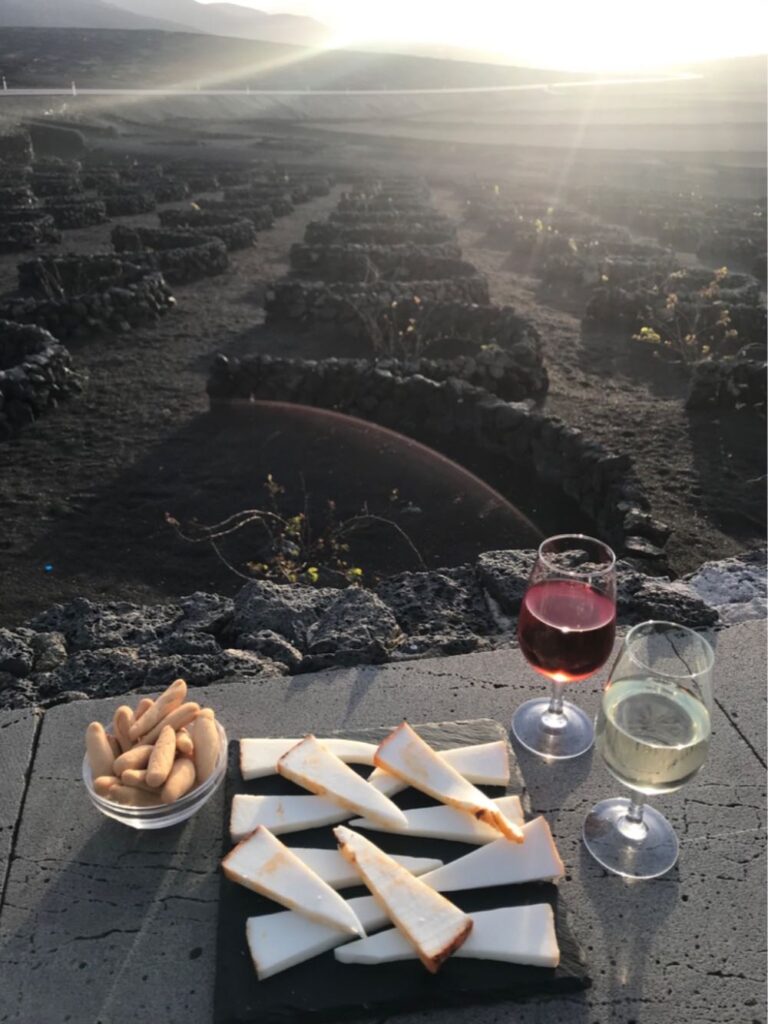
Another gem is La Geria wine region. Even if you don’t drink wine, its wort of stop. Those wineries are located in moon-like scenery and local cheese will taste differently here than in shop in the village.
I wrote Lanzarote food guide with more food recommendations while on the island.
Food scene in Fuerteventura
Even though the number of teleclubs is low and locals don’t use them as in Lanzarote, there are unbelievable tasty and affordable places to eat while on Fuerteventura.
Surprisingly, the best place to eat isn’t in Corralejo or Morro Jable, but the capital, Puerto del Rosario.
It is multicultural. We tried some authentic Venezuelan, Italian, and local kitchens. Some recommendations are tapas at Muelle Viejo. For paella, I would head to the café Nicol close to the bus station and for Italian pasta to Restaurants la Chica del Pomodoro.
Read my full Fuerteventura food guide to choose the right place based on your location.
In conclusion on food, Lanzarote wins on food culture, Fuerteventura wins on the food scene in its capital specifically. Both islands have genuine options if you know where to look. Neither is well-served by the restaurants nearest the beach.
Lanzarote vs Fuerteventura: Getting around, the practical reality nobody writes honestly
The good thing is that both islands have exceptionally good quality of roads. This is especially good if you plan to rent a car or scooter. In addition to the quality, there are many roundabouts, that make the traffic flow safer compare to let’s say Italy. One more significant characteristics is the length of highway adjoining lanes. Those are being super long here, which is extra convenient.
As for public transportation options, the islands are different. I wrote also an guide on how to get around Canary Islands without a car.
Getting Around on Lanzarote
On Lanzarote buses take card payment, connections between main towns are reliable, but La Geria and the remote north need a car.
The good thing is that the the core tourist areas, like Costa Tequise, Playa Blanca or Puerto del Carmen, are all well connected with regular connections.
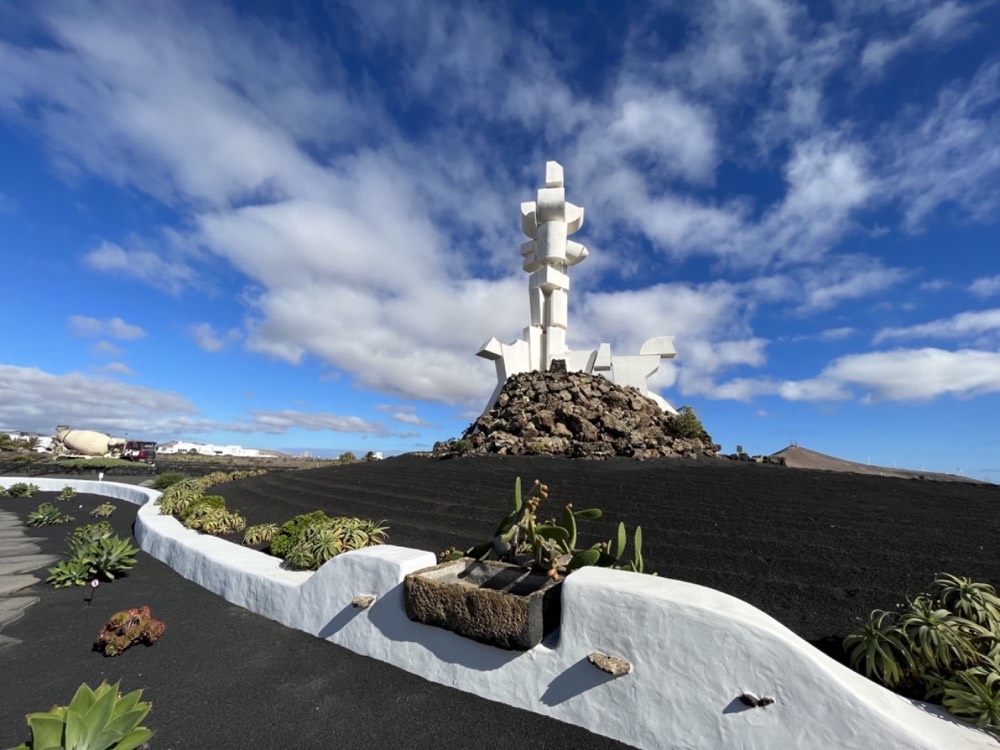
So, Lanzarote is more manageable without a car than Fuerteventura.
Getting Around on Fuerteventura
Mainly because on Fuerteventura there is cash only on all buses, and buses being much more unreliable, the traveling using public transportation is more complicated. For instance, I experienced waiting for a bus that did not arrive at all ( it was on busy and frequent line Corralejo to El Cotillo ).
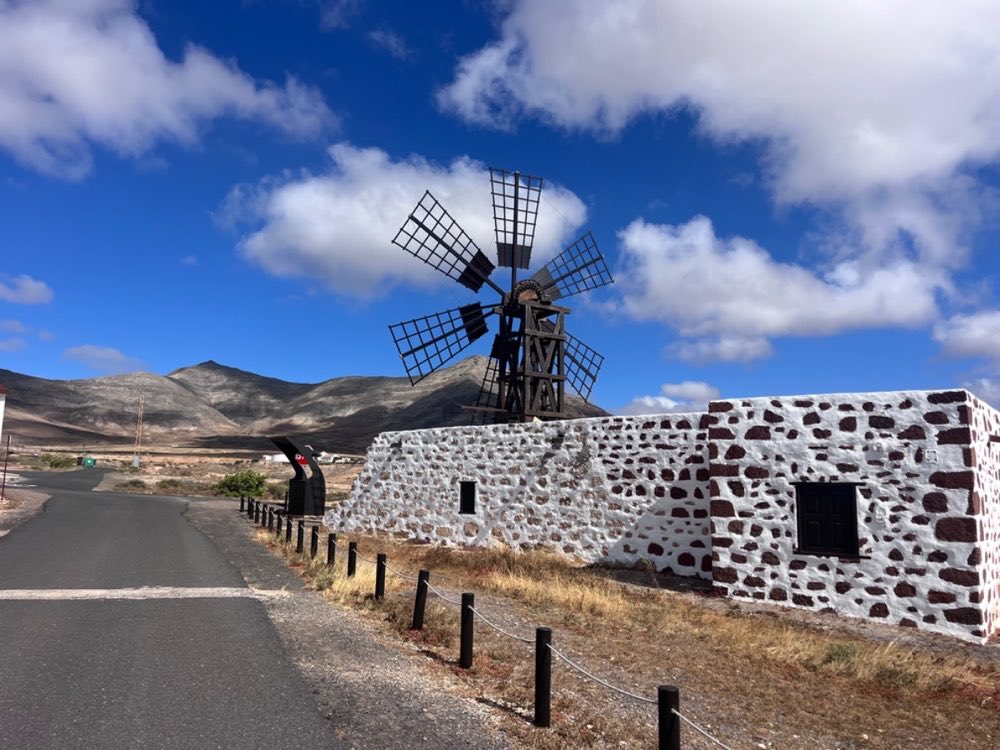
Also, the island is larger, which means distances between areas are greater. The north is manageable if you base in Corralejo and don’t need to move much. But if you want to visit a south without a car, be prepared for less regular and much longer connections.
For instance airport to Morro Jable is 1 hour and 30 minutes if the bus is on time.
Another tricky thing is that if the bus is full, happens more than you would expect, the driver won’t take you and you have to wait for another one.
My first two visit to Fuerteventura were completely car free, and I still enjoyed myself. You just need to be prepared to be extra patient, and accept the fact that the bus won’t be on time. I wrote guide on how to travel on Canary Islands without a car for more information.
One more thing worth of considering is the ferry link between the islands. It’s only thirty minutes, around €17, and it connects both islands into a single trip if you have the time. it connects Corralejo with Playa Blanca and I would recommend to make it part of your itinerary.
Lanzarote vs Fuerteventura: For slow travellers and longer stays
Both islands are slow, but their slowness is different in character.
Lanzarote is very compact, better organised, offers nice architecture and museums.
Fuerteventura is more wild, open and you feel the nature here is on foreground of everything.
Slow travelling on Fuerteventura
Fuerteventura is one of the best places when it comes to slow traveling. There’s something to the idea that Lanzarote is where you holiday and Fuerteventura is where you land for a while. It’s not quite right, but it’s not quite wrong either.
I spent my days in the north of Fuerteventura, and this area is very welcoming for longer stays.
The digital nomad community in Corralejo, the Thursday meetup at Twinky bar, the co-working spaces, the like-minded people who are staying for months on the island are supporting longer stays on Fuerteventura as well.
Many people live here in the van, and you also meet a lot of water sports enthusiasts in Corralejo. Kite surfers, surfers, divers and such, they all create laid back vibe, that other cities don’t have. The great thing about Corralejo is that you have this vibrant, community oriented life in one side, and wild nature literally hundred meters away, on the other side.
You can take ferry to Lobos island, which offers untouched beauty where no shops exists, only nature reserve with beautiful beaches, volcano and lighthouse.
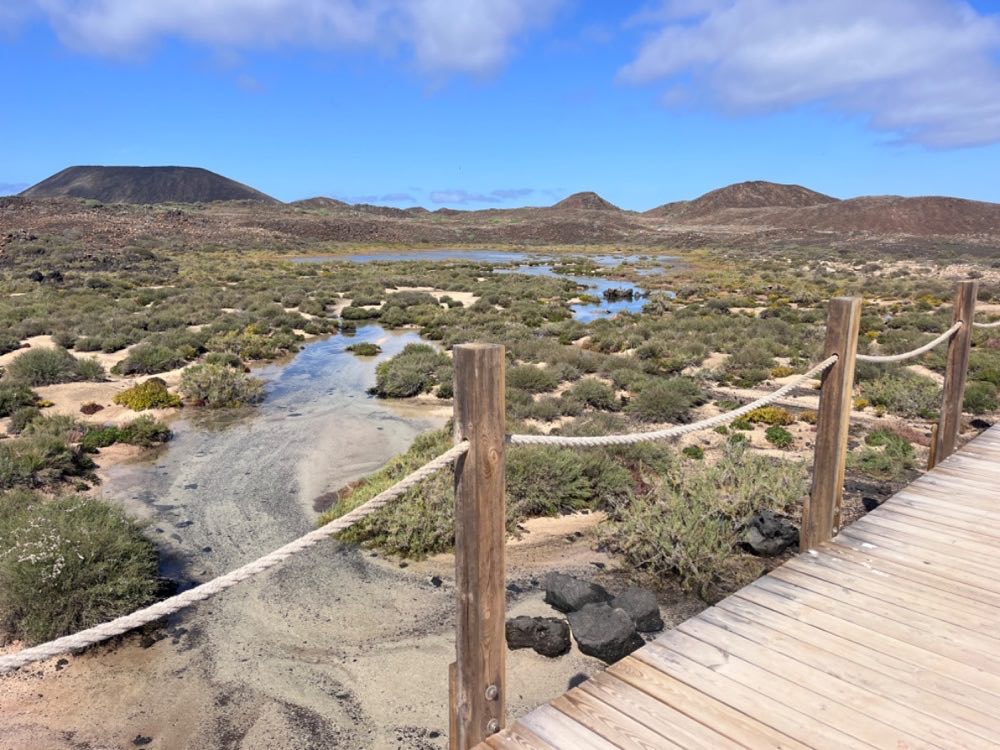
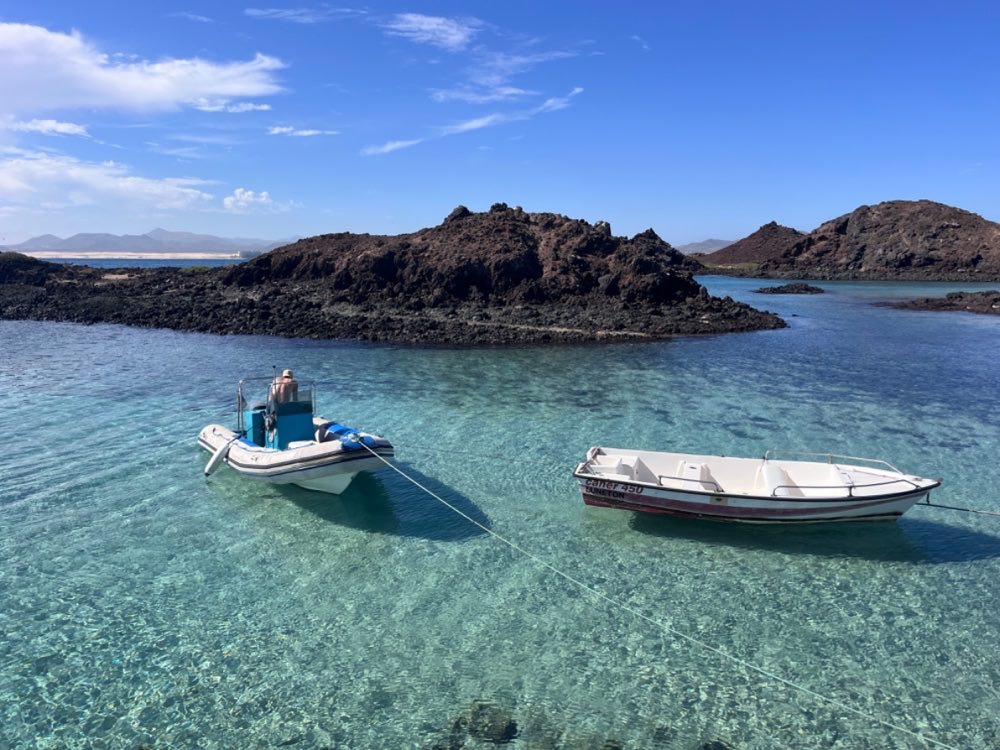
Hike Calderon Hondo, its entry hiking point is literally in the city, and you can hike to the top in about 3 hours. If you are biking fan, you can bike along to coast all the way to El Cotillo. Although bumpy, very authentic and raw ride along the sea. Or head towards the Dunas. Yo will be crossing one of the most virtually stunning sceneries, while on your bike.
Slow Travelling on Lanzarote
Slow travelling on Lanzarote is different. No vans are allowed (only on couple of sites and its paid, so no many people actually live in van here). This means the crowds category shifts. Less of hippie, free spirited surfers. More of matured sun seekers.
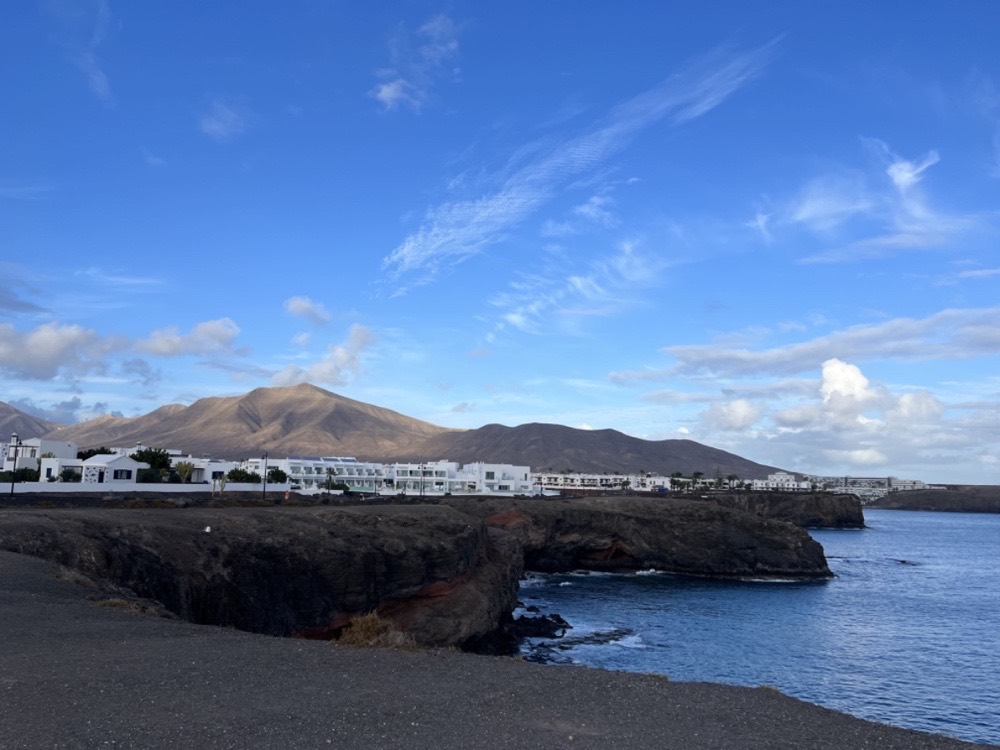
The island supports this in terms of architecture. All is very organised, clean and visually perfect. There are more tourists attractions or sites to visit in Lanzarote as well, what gave me feeling the island profits from more traditional tourism, rather than form water sports enthusiasts.
What I mean by that, is museums ( I loved Cesar Manrique house), Timanfaya National Park with the underground activities demonstrations, caves.
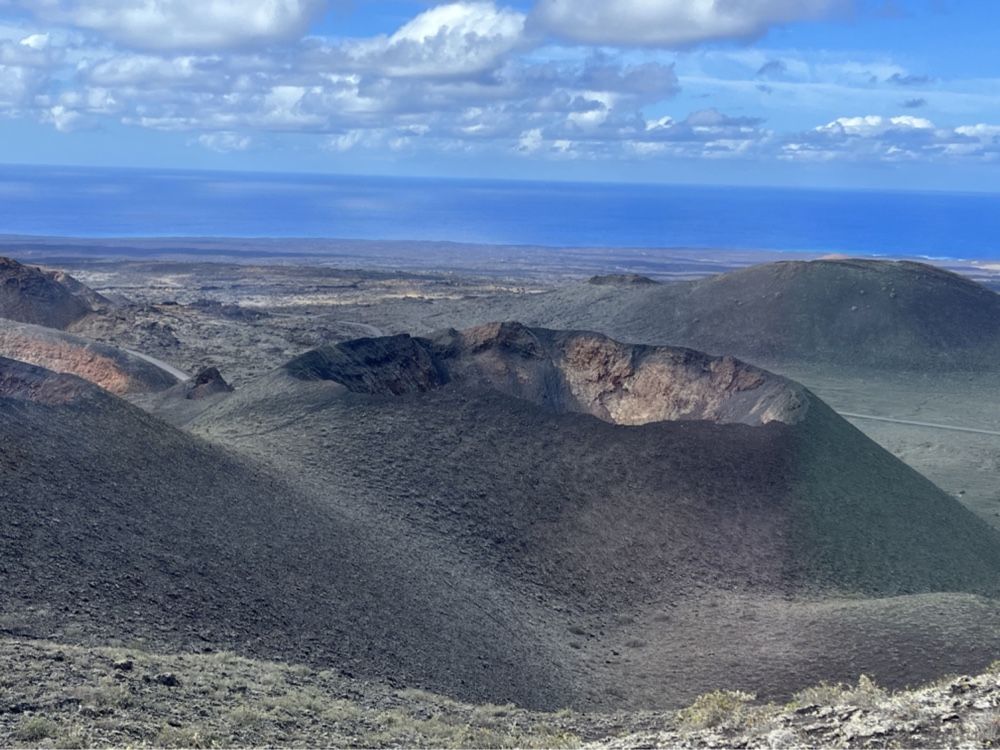
All of those are also present in Fuerteventura, but are a bit harder to find, and mainly for free. This brings me to idea, that the island doesn’t promote it in the way to earn from it, and it’s more considered as part of nature, hence available to everyone.
Places like La Geria wine region, with some stunning volcano mountains you will find along the way, or the Famara beach or Costa Teguise offer alternatives to Fuerteventura and its wild nature.
As for the digital nomad community, or expat community, the biggest concentration is around Arrecife, and Costa Teguise. I found 4 co working spaces on Lanzarote, a bit more expensive compare to the ones in Fuerteventura.
Fuerteventura has Lobos. Lanzarote has La Graciosa.

Both are small offshore islands that feel nothing like the main island. Both are worth going to.
It is hard to choose one of the islands, but in conclusion on length stay, I would say that if you are staying up to two weeks, go with Lanzarote. For stays around one month or more, choose Fuerteventura.
Lanzarote vs Fuerteventura: Final verdict and which island should you visit
I visited Fuerteventura multiple times, in 8 months of total. Lanzarote also 5 times and for about 3 months.
I love both.
Even though they have both a lot in common.The ferry connection means you don’t have to choose an island if you have time.
- Stunning, nothing-like-ever seen nature.
- Volcanos.
- Paradise looking like islands next door. Lobos and La Graciosa.
- Year around sun.
- Slow pace of living.
They do have some characteristics that distinguish them. So, this should makes it a bit easier when choosing Lanzarote vs Fuerteventura:
First-time Canary Islands visitor with one week: Lanzarote.
Returning visitor who wants beaches as the main event: Fuerteventura.
Stay up to 2 weeks: Lanzarote
Longer than 3 weeks stays: Fuerteventura
Someone craving organised, compacted island with slightly more touristic vibe: Lanzarote
Someone craving nature, open space and not minding wind: Fuerteventura.
The ferry connection means that if you don’t want to, don’t have to choose. You can combine them both.